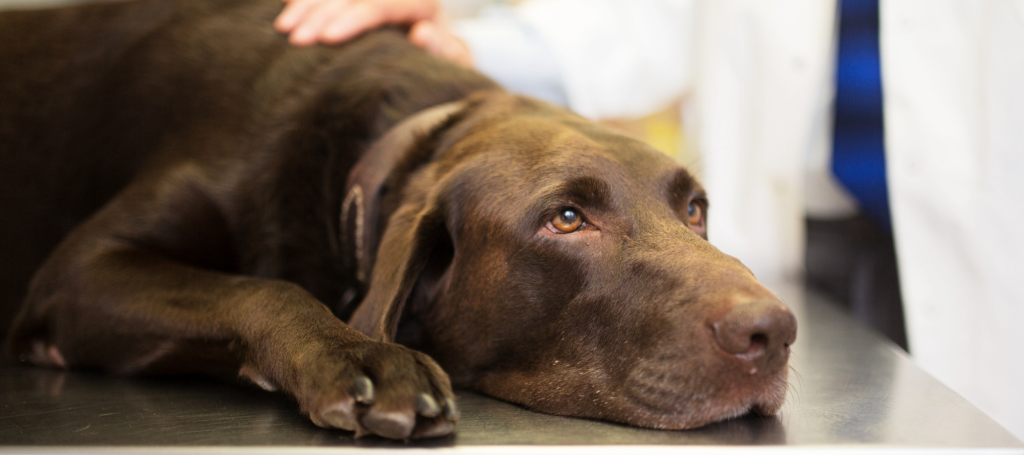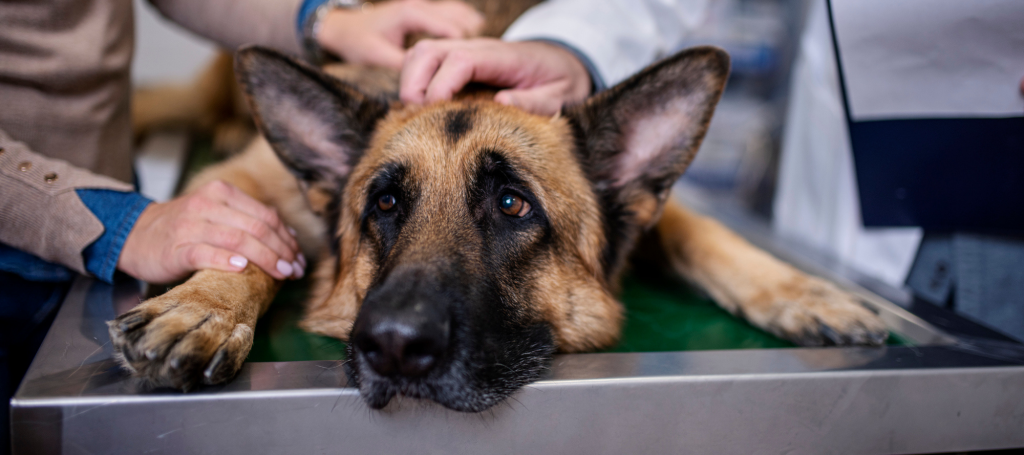



Staphylococcus pseudintermedius (often abbreviated S. pseudintermedius) is the most common bacteria found on the skin of dogs. In most dogs, it causes no problems at all, much like the harmless bacteria that normally live on our skin.
For some dogs, when their skin becomes irritated or damaged, like from scratching, moisture, or small wounds, the bacteria can take advantage of the opportunity and cause an infection called pyoderma. Dogs with underlying health issues, such as allergies, hormonal disease, or immune system disorders, may also be at higher risk. The infection can range from mild to severe. In more serious cases, dogs can develop sores, hair loss, scabbing, redness, pain, and intense itching.
For many dogs and their families, skin infections like these can be stressful and difficult to manage. Veterinarians and researchers are also concerned because, like many bacteria, S. pseudintermedius is becoming increasingly resistant to the antibiotics commonly used to treat it. This makes research into how these infections develop, how the immune system responds, and how new prevention and treatment strategies can be developed especially important.
Looking for Clues in the Immune Response
With funding support from the AKC Canine Health Foundation, Dr. Felix Toka, a researcher at the Ross University School of Veterinary Medicine, is studying S. pseudintermedius from a fascinating angle. Rather than looking only at dogs with active infection, Dr. Toka is also interested in dogs that naturally carry the bacteria and remain healthy.
That comparison may offer valuable clues. Why do some dogs develop skin infections while others seem unaffected? By studying those differences, researchers hope to better understand how the infection takes hold, how a dog’s immune system fights back, and what might help protect dogs in the future.
Dr. Toka’s study examined bacterial strains in both healthy and affected dogs and compared how their immune systems responded. A major focus was on antibodies, protective proteins made by the immune system that recognize and help fight bacteria. By studying these immune responses, the researchers hope to uncover clues that could one day support the development of a vaccine against S. pseudintermedius.
Studying Samples from Dogs Seen in the Clinic
To conduct the study, Dr. Toka and his team collected skin and blood samples from dogs seen at the university clinic. For dogs with active infections, they also collected swabs from the nose and spots of infected skin. Over two years, the team collected samples from 62 dogs.
The researchers then grew bacteria in the laboratory to confirm that it was S. pseudintermedius. They also sequenced the bacteria’s DNA to better understand how aggressive different strains might be. Blood samples were further analyzed to identify the antibodies dogs produced in response to the bacteria, helping researchers build a clearer picture of how the canine immune system recognizes and responds to infection.
“We got very interesting results,” Dr. Toka told CHF.
The team discovered that both infected and healthy dogs carried distinct antibodies that bound to different antigens, the markers on bacteria that trigger an immune response. In other words, the immune systems of infected and healthy dogs reacted differently to the bacteria.
They also found biological markers that differed between dogs carrying the same bacteria but remained healthy versus those that developed skin infections. These findings may help researchers better understand how S. pseudintermedius infections develop and progress over time, and why some dogs experience more severe disease.
“If we find out what antigens the antibodies bind to, it’ll be easier to take those and make a vaccine for the dogs, because we know that the dogs respond to this specific antigen,” Dr. Toka said. “And hopefully, that response can produce a protective immunity in the dogs.”
A Promising Path for Continued Research
Dr. Toka and his team are now seeking more funding to build on what they have learned and continue exploring the path toward a potential vaccine. The next step would be to study whether the markers they identified can produce antibodies against S. pseudintermedius. If that step is successful, the team would then move forward with testing whether those antibodies can be produced.
“We want to go a little bit further and try to understand how we can find a vaccine. There are many trials and studies being done, but none of them have found a solution,” Dr. Toka said. “We’re very excited with the pathways that the data is drawing up for us.”
This is how CHF-funded science helps outsmart infection: by asking careful questions, following evidence step by step, and supporting researchers as they pursue discoveries that may one day help protect more dogs.
We’re making progress and with continued donor support, CHF-funded research can keep advancing the knowledge veterinarians need to protect canine health. To donate visit: akcchf.org/donate.
“We were so fortunate to get the funding. It has taken us so far.”
— Dr. Felix Toka