


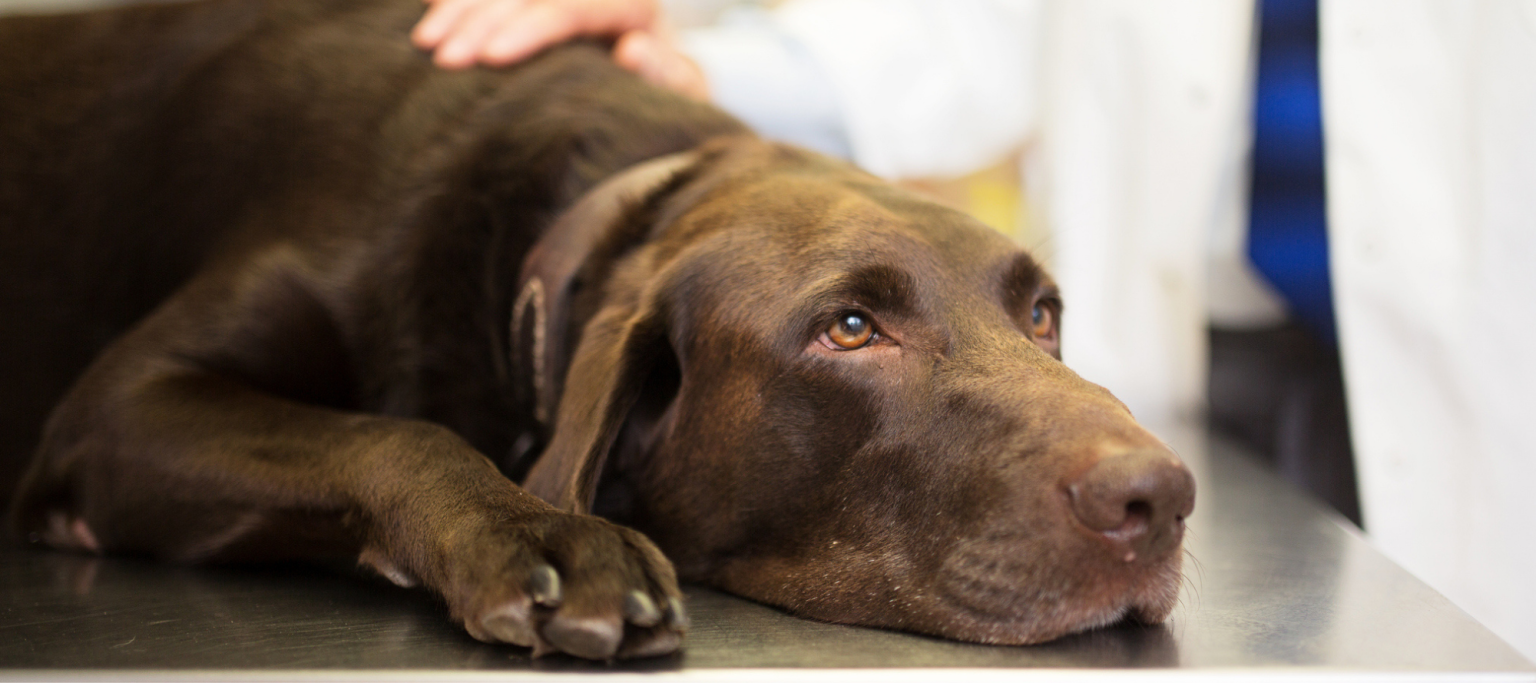
Owning a dog means protecting them from risks they cannot always see, including hazards found in the environment. In parts of North America, especially near the Mississippi and Ohio River valleys and the Great Lakes, one of those hazards is Blastomyces dermatitidis is a fungus found in damp soil and rotting wood. When dogs breathe in the fungus, it can cause a serious infection called blastomycosis, often commonly referred to simply as ‘blasto.’
Blastomycosis often begins in the lungs and may spread through the bloodstream to other parts of the body, including the skin, nose, and bones. It can cause fever, cough, chest pain, and fatigue, and if untreated, it can be fatal. For dogs with infection deep in the lungs, the risk can be especially serious. Dr. Jennifer Reinhart Dungar, a professor and researcher at the University of Illinois College of Veterinary Medicine, shared that animals with deep lung infection have a survival rate of around 50%.
A Disease That Requires Time, Precision, and Evidence
With support from the AKC Canine Health Foundation, Dr. Reinhart Dungar is studying the treatments veterinarians use for blastomycosis, with a focus on itraconazole, an antifungal medication commonly used to treat fungal infections. While itraconazole is generally effective, one important challenge is that the amount of drug absorbed into the blood can vary widely from dog to dog.
“Treating it is interesting because it’s a fungus not a bacteria,” Dr. Reinhart Dungar told CHF, “It doesn’t respond to antimicrobial drugs in a few days like a bacterial disease. Instead, it takes months to treat and even if you treat it successfully, there’s a possibility of relapse.”
That variability matters. If blood levels are too low, the infection may not clear. If they are too high, dogs may experience harmful side effects such as upset stomach or liver damage. Veterinarians can monitor blood levels of the drug, a practice called therapeutic drug monitoring, but there is no established standard for how often this should be done for antifungal medication.
Studying How Itraconazole Levels Change Over Time
Dr. Reinhart Dungar and her team studied 14 dogs diagnosed with blastomycosis. The dogs were treated with itraconazole, and their blood levels were checked two weeks after the first treatment and then monthly. The team wanted to understand whether a single check at two weeks would provide enough information, or whether drug levels continued to shift over time.
The answer was clear: levels changed quite a bit. Nine of the 14 dogs needed a dose adjustment, and several needed additional adjustments later. Some dogs even needed changes that moved back and forth between more and less medication.
“Therapeutic drug monitoring is not commonly done with antifungals like it is with antiseizure medication, for example, but I think it should be,” Dr. Reinhart Dungar said. “But before we get to that point, we need to figure out what the protocol should be for how frequently we should be monitoring those levels.”
Helping Veterinarians Know When Treatment May Be Complete
The study also explored how clinicians may decide when to stop treatment. Common practice is to treat until clinical signs have resolved, but that approach may still leave a risk of relapse. Dr. Reinhart Dungar’s team used urine testing every three months to check whether Blastomyces was still present. They found that treatment could stop after a single negative test or two very low tests one month apart. With this protocol, only one dog relapsed, and that relapse was detected only through urine testing, with no clinical signs.
“Our study was not designed to tell you if you should do therapeutic drug monitoring ,” Dr. Reinhart Dungar told the Foundation. “But if you choose to do therapeutic drug monitoring, then I think we give people good guidelines on how to do that and it helps us decide on when to stop treatment.”
This is how research helps veterinarians outsmart infection with science: by asking practical questions, studying real dogs facing real disease, and building evidence that can support better-informed care. With continued donor support, CHF-funded research can keep advancing the knowledge veterinarians need to protect canine health. To donate visit: akcchf.org/donate.