

Meet the Scientist: Dr. Maggie Creamer
What first inspired your path into research?
I grew up with a variety of different animals: chickens, goats, horses, cats and dogs and could not imagine my days without them. I got to know and love each and every one of my pets growing up and would spend hours observing their behavior and asking the classic kid’s favorite question: “why?”. As I grew up, I never stopped wondering “why?”. Why do animals behave the way that they do, what is underlying their decisions and behavior in our managed environment, and how can we, humans, be responsible caretakers of the animals we share our homes, our fields, and our planet with? These questions first led me to research in animal welfare and behavior, and are now what propel my research about how chronic pain in dogs impact their cognitive functioning and affective states.
Research with Purpose
How has working with dogs shaped your approach to research?
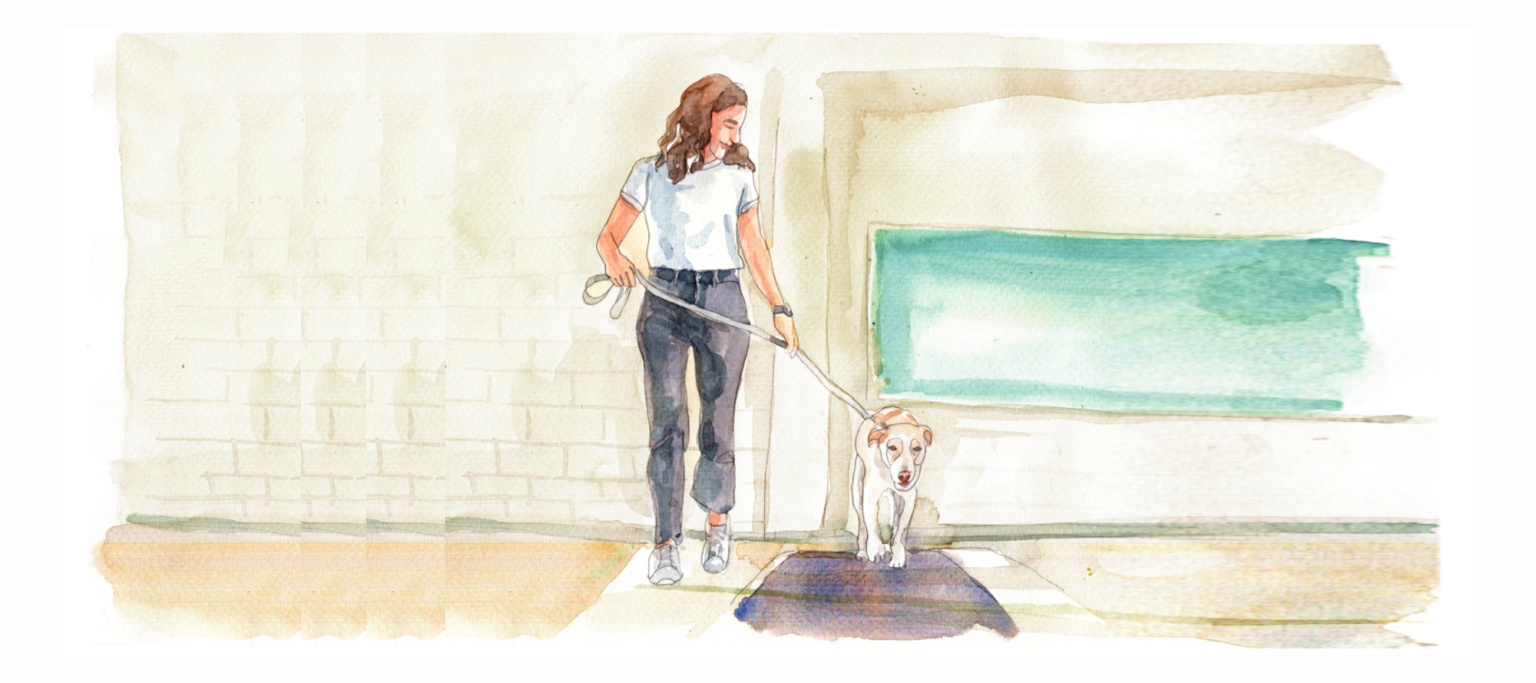
First and foremost, working with dogs is the absolute best. I am the envy of my friend group, that is for sure! Working with dogs has invigorated my excitement and passion for understanding how painful conditions impact dogs’ ability to function. Dogs are so great to work with because they readily participate in our tests and will happily hang out with us for the day (well, the tests do involve lots of treats – so maybe that is partly why). Because of this, we can collect very rich, comprehensive, behavioral and phenotypical information from dogs. Instead of just one or two tests covering a couple of domains, we are able to collect information from a battery of different assessments. Working with dogs has spoiled me as a researcher because we can take this all-encompassing approach and get a full picture of their pain, cognitive, and emotional states. It is also really useful that we can assess nuanced changes in dogs’ at-home behaviors through client-reported outcome measures (a fancy name for questionnaires) that owners fill out. Companion animals, like dogs, provide this unique opportunity for us to know their background history and context of their behaviors as opposed to other animals who are not so easily and intensively observed by caretakers.
Expanding the Boundaries of Discovery
What questions are you most excited to explore right now?
I am really excited to continue exploring everything in the realm of pain and how it can transform how our pets live their lives. This is all under the overall umbrella of improving dog health and welfare. Related to the work I am doing, I am also excited to dig into how well we, as owners, can recognize pain, cognitive, and emotional states in our dogs. How good are we at detecting changes in painful conditions, in changes to dogs’ attention and ability to problem-solve, and importantly, in changes that might reflect more anxiety or negative mood states than previously seen in our dogs?
"First and foremost, working with dogs is the absolute best. I am the envy of my friend group, that is for sure!"
From Observation to Breakthrough Potential
Why does this research matter for dogs and their owners?
This research is so incredibly important for owners’ understanding of how chronic pain can transform their dogs’ behavior and functioning. Chronic pain in dogs is unfortunately a common occurrence. For example, the prevalence of osteoarthritis in dogs, a known source of chronic pain, is around 40% and, unlike in humans, this can impact young as well as older dogs. I think it is important for us owners to understand how pain can affect many aspects of our dogs’ daily lives. This work might give us a little more understanding and patience about personality or behavior changes we might see – like not being able to learn that new trick, not getting as excited for exercise, not keeping up with us on our long walks or jogs, not greeting us in the same way, or starting to be a bit more unpredictable if painful joints are touched or manipulated. Noticing these changes in our animals and attributing them to pain might also urge us to get our dogs on a pain treatment plan sooner rather than later so that they can continue to live long, healthy, happy lives alongside us.
The Power of Collaboration
How do partnerships shape and strengthen your research?
Collaboration is truly the key to success. Not only across labs, or scientific topics, but also between individuals. I work with some fantastic advisors, postdocs, research coordinators, and undergraduates and without us all working as a team, the research would not be accomplished. Additionally, our important work would not be possible without funding sources like the AKC Canine Health Foundation and the NIH. Their investment in research that improves the lives of animals (and humans) is commendable and results in One Health goals being met and exceeded.
Driven by Connection and Curiosity
What keeps you motivated to continue this work?
Every time an owner tells me that pain has changed the way that their dog interacts with them, other dogs or pets, their environment, or generally has changed the way they behave, it motivates me to understand this component of chronic painful conditions better. I want to know if treating pain also results in improvement of these other facets of dogs’ lives (for example, social interaction and play), all of which relate to a dogs’ overall quality of life. If my work can improve quality of life for dogs, I will feel like I’ve accomplished what I set out to do in my career.