

How Breed-Focused Research is Helping Scientists Better Understand Renal Disease
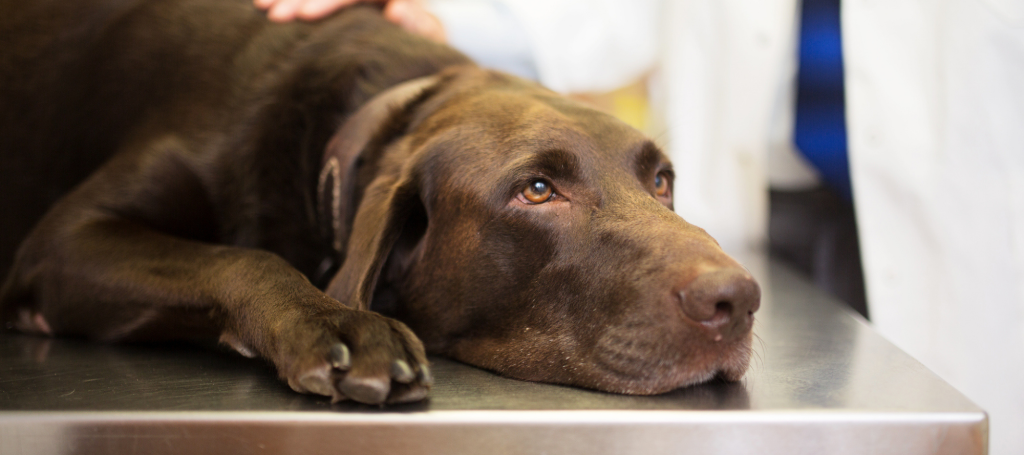
Kidney disease is a complex condition that often progresses silently in its early stages, affecting many dogs, especially as they age. In fact, it impacts one in three senior dogs, making it a critical focus for advancing canine health.
At Texas A&M’s College of Veterinary Medicine, Dr. Mary Nabity, Dr. Jessica Hokamp, and their colleagues are approaching kidney disease from multiple angles. With support from the AKC Canine Health Foundation, their work is expanding our understanding of how it develops, and how it may differ across breeds, helping to inform more precise and effective approaches to care.
Looking Beyond Clinical Signs to Genetic Risk
Kidney disease can take many forms, and one important area of study is how genetics may influence its development. Certain breeds, including Shih Tzus, Samoyeds, and Lhasa Apsos, are already known to be predisposed to kidney disease at a young age. Researchers now believe there may be additional breeds with similar risks, and they’re working to identify them.
This line of investigation began when breed clubs reached out to Texas A&M’s International Veterinary Renal Pathology Service, which provides specialized evaluation of kidney samples. According to Dr. Nabity, these partnerships have played a key role in identifying patterns within specific breeds.
“Our breed studies started with Dalmatians,” Dr. Nabity told CHF. “They reached out and said we think we have an increased incidence of renal disease in our breed.”
By analyzing kidney samples, researchers can determine which type of disease is present, allowing cases to be grouped into meaningful categories. While this approach does not always reveal the underlying cause, it provides a critical foundation for deeper investigation.
In Boxers, this approach led to an important insight: identification of a higher prevalence of renal maldevelopment, a condition in which the kidneys do not develop properly before birth and may cause health challenges later in life. That finding is now guiding further research into the genes that may play a role.
Building a Clearer Picture, One Breed at a Time
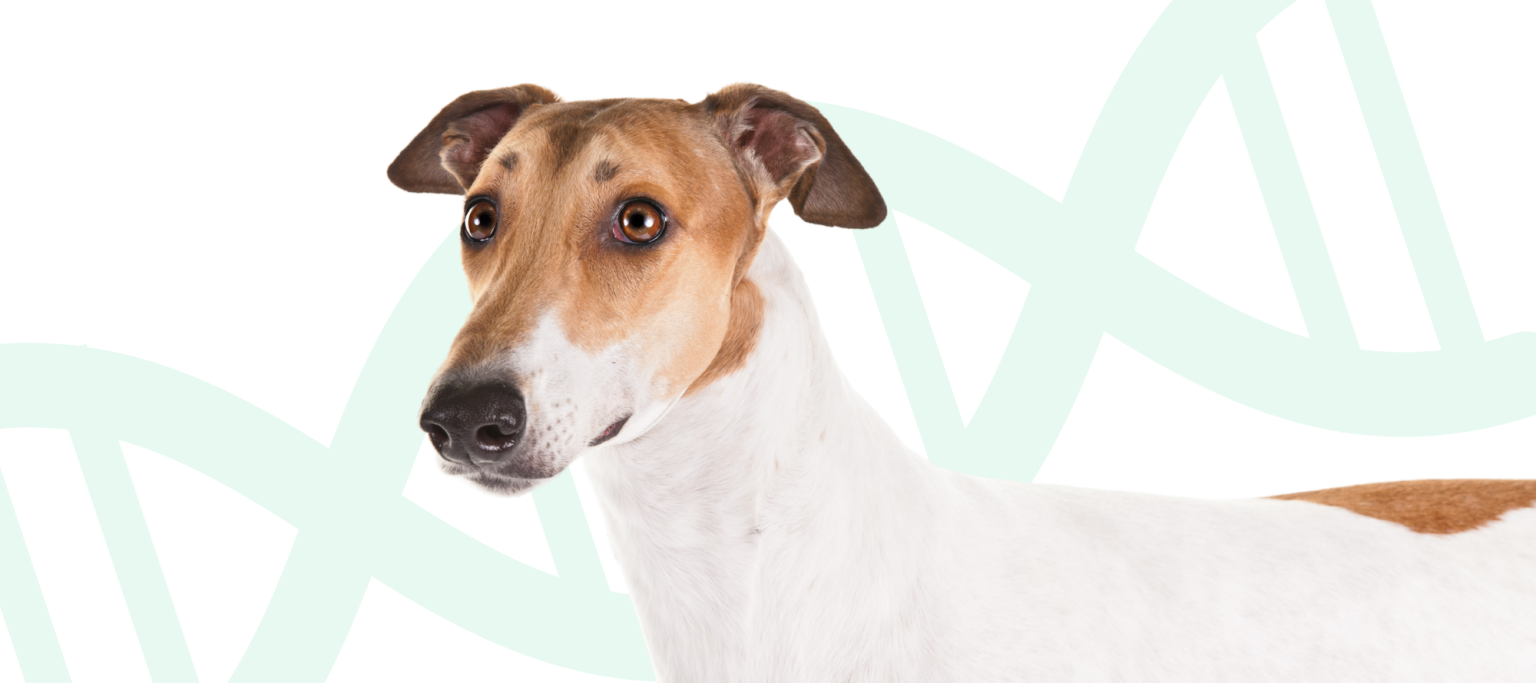
The research has since expanded to include Shetland Sheepdogs and Greyhounds. For each breed, the process begins with careful characterization, defining exactly how kidney disease presents in affected dogs.
Using light and electron microscopy, researchers examine kidney tissue and biofluid samples for signs of disease. They then compare findings across related dogs, looking for patterns that may point to inherited risk.
“Our hope, or our goal, is that we have enough dogs to identify a category of disease that’s overrepresented in that breed and we can show a pattern of inheritance to show a pattern of genetic triggers,” Dr. Hokamp said.
Early findings suggest a similar increase in renal maldevelopment in Shetland Sheepdogs. In Greyhounds, researchers are continuing to collect and analyze data to understand what patterns may emerge.
This work reflects the careful, stepwise nature of scientific discovery. Each sample, each analysis, and each collaboration adds another piece to a more complete understanding of kidney disease in dogs.
With continued support from donors and participation from the dog community, this research moves forward with the shared goal of improving canine health and creating more opportunities for longer, healthier lives.
To support continued genetic research, please visit akcchf.org/donate.