

Canine dysautonomia is a rare and devastating disease that targets a dog’s autonomic nervous system. This system works behind the scenes to control vital functions that happen automatically—like keeping the heart beating, taking regular breaths, digesting food, producing urine, and regulating body temperature.
The disease is fast-moving, often deadly, and tragically mysterious. It tends to appear suddenly and most commonly has been reported in dogs living in or visiting rural areas of the Midwestern United States. Once signs appear, they progress rapidly—and tragically, nearly 90 percent of cases are fatal
The Scientist Leading the Search for Answers
At the University of Wyoming, veterinary researcher Dr. Jonathan Fox is leading the only active study in the U.S. focused solely on understanding canine dysautonomia. With support from the AKC Canine Health Foundation, Dr. Fox is working to uncover the cause of this disease and develop better ways to detect, treat, and possibly even prevent it.
Could the Environment Be the Trigger?
Dr. Fox and other researchers think something in the environment may be triggering dysautonomia—especially in places where dogs dig or play in damp, disturbed soil. One possible culprit? A group of bacteria called Clostridia, found in the dirt, which can cause serious illnesses like tetanus and botulism in both animals and people.
What makes these bacteria especially dangerous is their ability to form spores—tiny, hard-shelled versions of themselves that can survive in harsh conditions for long periods. When the soil is disturbed, and the conditions are right, these spores can reactivate and release toxins that damage a dog’s nervous system.
To find answers, Dr. Fox is studying soil, stool, and tissue samples from dogs with dysautonomia and comparing them to samples from healthy dogs. His team is combining hands-on lab work with advanced genetic testing to search for specific bacteria or toxins that might be playing a role.
Searching for Warning Signs Before It's Too Late
In addition to finding a cause, Dr. Fox’s lab is also working to identify early warning signs—or biomarkers—that could help detect the disease before it causes lasting damage. These signs could include reduced tear production, unusual pupil responses, and problems with bladder function.
In dogs with dysautonomia, tissue samples often show serious nerve damage in key areas like the brainstem and digestive system, which explains why symptoms can be so severe. To support future studies, the lab is also building a serum bank to store biological samples from dogs with and without dysautonomia.
Toward a Future With Answers
Dr. Fox hopes that his research will lead to practical solutions for dog owners and veterinarians—tools like early detection tests, environmental risk assessments, and one day, perhaps even a vaccine.
His ultimate goal: to prevent more dogs from suffering and to give families clear answers when faced with this heartbreaking diagnosis.
Please contribute to the work CHF is doing to support active, working and sporting dogs by donating today at akcchf.org/fueldogsinmotion/.
Meet the Dynamic Duo Rallying Against Canine Dysautonomia
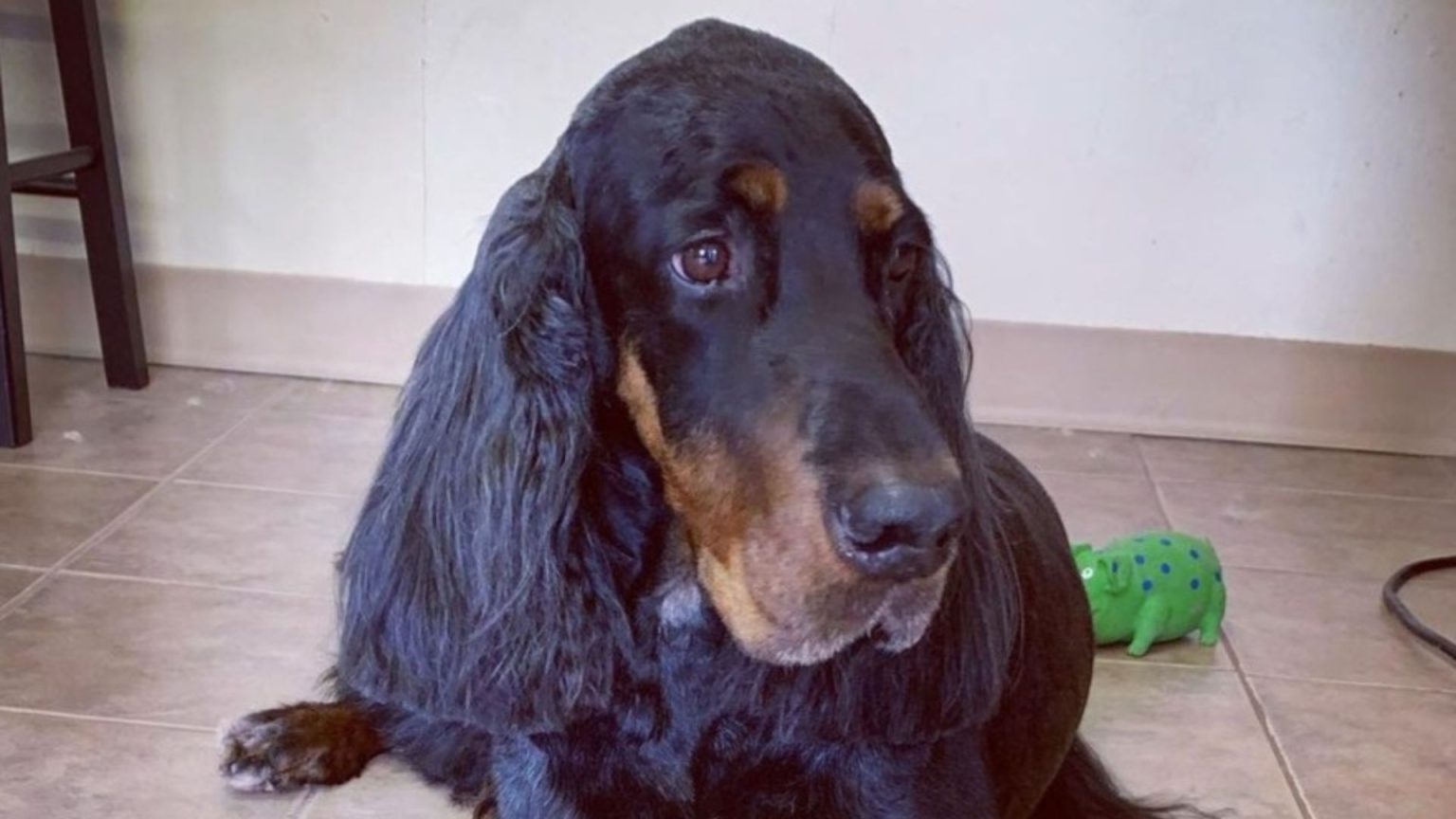
Cooper, a four‑year‑old Gordon Setter, is one of the rare survivors of dysautonomia. He was likely exposed at a roadside rest stop in Kansas—a setting that fits the pattern researchers have seen, involving disturbed soil in parts of the Midwestern United States. When Cooper was diagnosed with dysautonomia, the odds were stacked against him. But his devoted owner, Trish Fenwick, refused to give up. She took a month off work to hand-feed, hydrate, and care for Cooper around the clock—giving him a fighting chance. Against all expectations, Cooper survived.
Today, Trish and Cooper are more than survivors—they’re champions for change. Through their advocacy and support of Dr. Jonathan Fox’s research, they’re helping bring hope to other families facing this devastating disease.