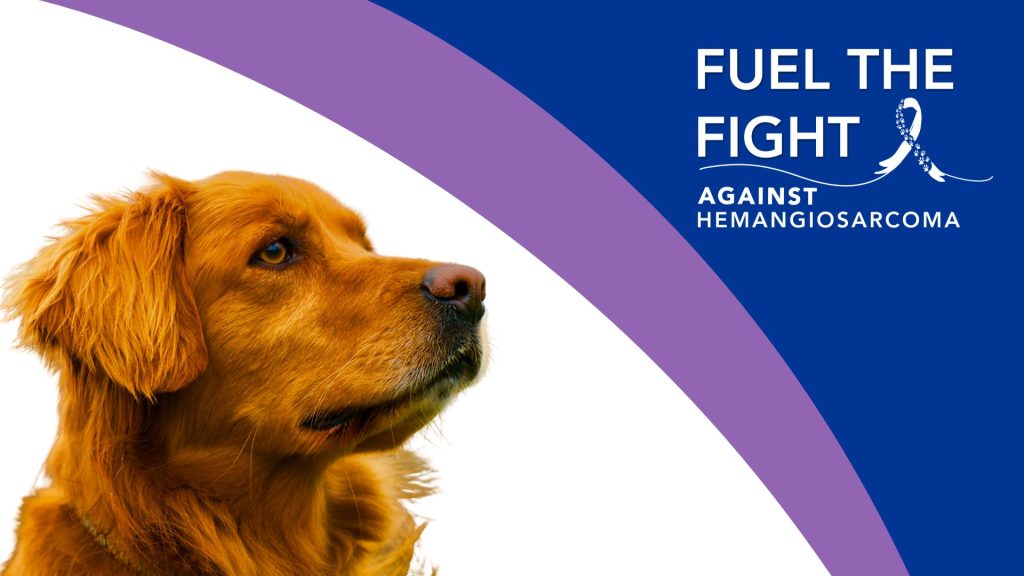
Hemangiosarcoma is one of the most aggressive and heartbreaking cancers in dogs. Often described as a silent killer, it advances rapidly with few—if any—early warning signs. By the time symptoms appear, treatment options are limited and often come too late.
Dr. Jaime F. Modiano, VMD, PhD, Director of the Animal Cancer Care and Research Program at the University of Minnesota College of Veterinary Medicine, has spent much of his career focused on changing that outcome. “Hemangiosarcoma is a devastating disease,” he notes. “It’s responsible for the death of one in five Golden Retrievers in the U.S., and it also significantly affects Portuguese Water Dogs, Boxers, and other breeds.”
Because the disease is rarely detected before it spreads, traditional therapies typically fall short. Dr. Modiano and his team recognized that to fight this cancer effectively, they needed to take an unconventional approach—one that relies on early detection and prevention over late-stage intervention.
Their strategy? Pair a patented experimental blood test that detects hemangiosarcoma cells circulating in the bloodstream with a novel targeted treatment known as eBAT—short for EGF-bispecific angiotoxin. eBAT targets the very cells that initiate and propagate hemangiosarcoma, aiming to halt the cancer before it gains a foothold.
Some of the results have been nothing short of groundbreaking.
In a pilot study involving 23 dogs of various breeds with hemangiosarcoma of the spleen, those treated with eBAT saw significantly improved outcomes. The six-month survival rate rose from 50% to around 70%, and the one-year survival rate nearly tripled—from 15% to 40%.
And in a few exceptional cases, dogs lived much longer than expected. Five of the 23 dogs treated with the experimental therapy survived more than 450 days.
“This is probably the most meaningful advance in treating canine hemangiosarcoma in over 30 years,” Dr. Modiano told the National Canine Cancer Foundation, a co-sponsor of the study. “Our hope is not only to extend the lives of dogs but also to apply what we’ve learned to benefit people. Ultimately, we want to build a future where no one has to live in fear of cancer.”