

Uncovering Genetic Clues Behind Anal Sac Adenocarcinoma in English Cocker Spaniels

A Rare but Aggressive Cancer with Breed-Specific Impact Anal sacs (sometimes called anal glands) are small structures located just beneath the skin that store a strong-smelling fluid. In most dogs, they empty naturally during defecation. In some, they don’t empty as they should, leading to discomfort, impaction, infection, and familiar behaviors like scooting or the […]
Smarter Imaging. Better Answers. More Good Days.

Oral tumors are common cancers in dogs, and one of the most important questions at diagnosis is whether the disease has started to spread. When cancer spreads beyond its original location, it impacts treatment choices and outcomes. Veterinarians depend on this information to customize care. Families need to understand this to prepare for what lies […]
More Good Days Start with Deeper Understanding
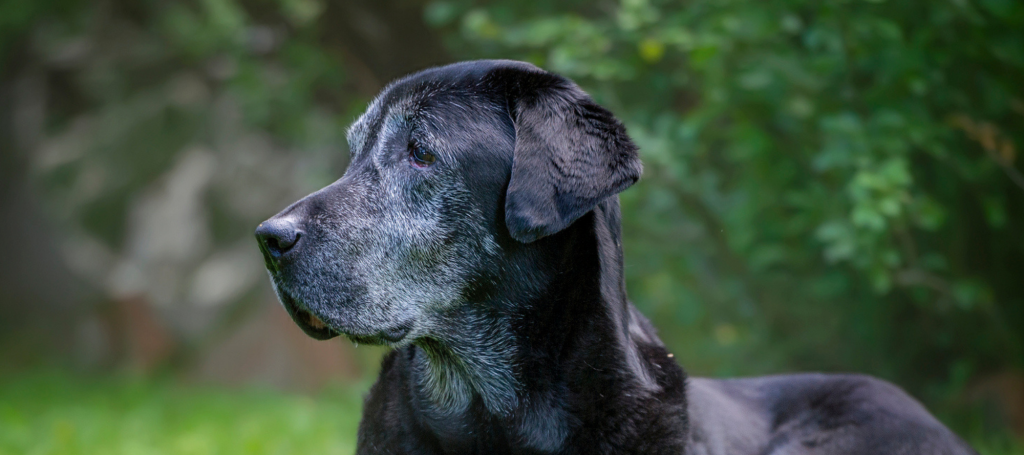
Unlocking the Science Behind Canine Oral Melanoma As dogs age, loving pet owners often become more attuned to subtle changes. A hesitation at the food bowl. A new odor on the breath. A new lump in the mouth. One diagnosis to consider with these signs is oral melanoma, the most common malignant oral tumor in […]
A New Frontier for Bladder Cancer in Dogs

More Good Days Through the Power of Immunotherapy Bladder cancer affects about 2 percent of dogs, and for the families who experience it, the impact is lasting and profound. The most common form, called urothelial cell carcinoma (formerly transitional cell carcinoma), often begins quietly. A little straining. Microscopic amounts of blood in the urine. More […]
More Good Days: Supporting Dogs with Lymphoma from the Inside Out

When a dog is diagnosed with lymphoma, families focus on one thing: more good days. Lymphoma is the most common cancer in dogs, accounting for about one in five canine cancer diagnoses. It arises when lymphocytes, white blood cells critical to a healthy immune system, multiply uncontrollably. These cancer cells often accumulate in and enlarge […]
Hearts to Heal: Advancing Care at the Final Stage of Canine Heart Disease

In some forms of heart disease, the most severe stage progresses to congestive heart failure. At this point, the heart can no longer pump enough blood to meet the body’s needs. Fluid begins to accumulate in the lungs or abdomen, breathing can be difficult, and daily life grows harder for both dogs and the people […]
Hearts to Heal: Improving How We Measure Canine Heart Disease

For families living with a dog diagnosed with heart disease, the hardest moments are often the quiet ones. A follow-up appointment. A new test. A conversation that ends with the words, “Not yet, but we need to watch this closely.” Knowing when to act can be just as important as knowing how to treat it. […]
Hearts to Heal: Rethinking Canine Heart Disease at the Cellular Level

Myxomatous mitral valve disease (MMVD), or “leaky valve disease,” is the most common heart disease that dogs develop—and a leading cause of heart failure. Once a dog enters heart failure, the median survival time is just 11 months. Medications can help manage symptoms and slow progression, but MMVD has no cure. And that comes down […]
Hearts to Heal: Canine Research with the Power to Impact the Heartbeat of Every Dog
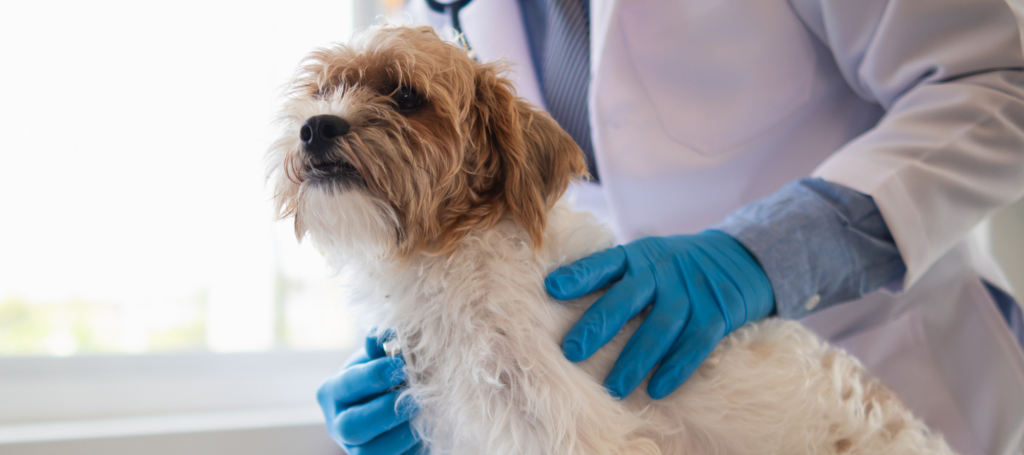
February is a month filled with hearts – on cards, in shop windows, and wrapped in ribbons. At the AKC Canine Health Foundation (CHF), February is also a time to reflect on the hearts that matter most to us: the hearts of dogs. This month, we’re shining a spotlight on research that goes beyond symbols […]
When Kidneys Whisper Instead of Warning
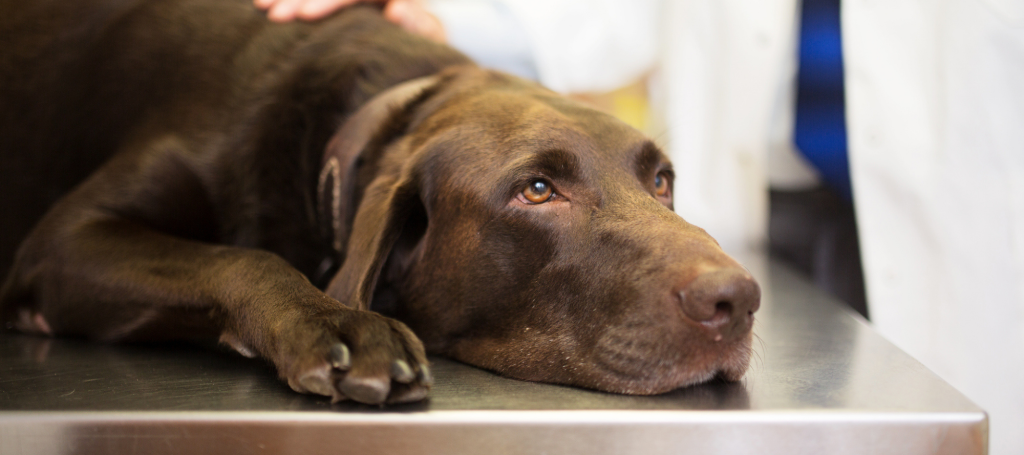
Why understanding the type of kidney disease matters—and how a simple urine test could change everything Your dog’s kidneys are quiet overachievers. Every day, they filter waste from the blood, balance fluids, and help regulate vital body functions without fanfare or obvious signs. But when that system begins to falter, as it does in chronic […]