


Introduction
Gastric dilatation-volvulus (GDV), commonly known as bloat, is a sudden and life-threatening condition that affects dogs—especially large, deep-chested breeds. It occurs when the stomach fills with air and twists, cutting off blood flow and causing severe damage throughout the body.
Thanks to research funded by the AKC Canine Health Foundation, scientists are uncovering the genetic and biochemical roots of GDV. This breakthrough could lead to better prevention strategies and save more dogs from this devastating emergency.
Key Points
- GDV causes the stomach to twist, leading to shock and multi-organ dysfunction.
- Dogs at higher risk include large, deep-chested breeds, older dogs, and those eating one large meal per day.
- Surgery is required to correct GDV and prevent recurrence, but survival depends on early intervention.
- A Tufts study found that 36% of dogs with GDV did not survive, often due to cost or poor prognosis.
- Researchers are using advanced genetic and biochemical analysis to understand and prevent GDV.
The Impact of GDV
GDV is one of the most urgent and deadly emergencies in veterinary medicine. Without immediate treatment, it can lead to cardiovascular collapse and death. Even with surgery, complications like heart arrhythmias and digestive issues are common.
Historically, GDV has been difficult to predict or prevent. Dog owners often face heartbreaking decisions due to the high cost of emergency care and the poor prognosis. Understanding why GDV happens is critical to reducing its impact.
Tracing Research Advancements
Researchers at Tufts Cummings School of Veterinary Medicine, supported by CHF Grant 01937-B: Evaluating the Complex Genetic Basis of Bloat, analyzed GDV cases over a ten-year period. They found that 36% of dogs admitted with GDV did not survive, with most euthanized before treatment due to cost, age, or concurrent illness.
To uncover the root causes of GDV, the team is using metabolomics—a holistic approach that examines DNA, RNA, proteins, and biochemical molecules. This allows scientists to identify genetic mutations, epigenetic changes, and unique molecular markers that may trigger GDV.
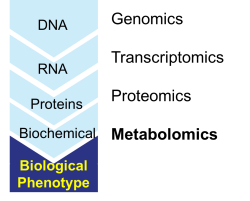
Figure 1- Metabolomics (Source: Wikimedia Commons
Driving Progress Today
This research is paving the way for new prevention strategies. By identifying genetic risk factors and molecular signals, veterinarians may soon be able to screen dogs for GDV risk and advise owners on preventive care.
Future applications could include genetic testing, dietary recommendations, and early warning systems. The ongoing analysis at Tufts continues to inform clinical practices and could significantly reduce GDV-related deaths in the coming years.
Reference:
1. Sharp, CR, Rozanski, EA, Finn, E, Borrego, EJ. The pattern of mortality in dogs with gastric dilatation and volvulus. J Vet Emerg Crit Care. 2020; 30: 232– 238. https://doi.org/10.1111/vec.12932
