


Introduction
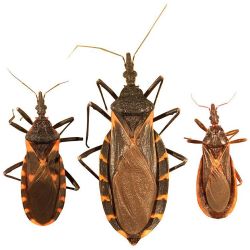
Chagas disease is a serious and often deadly parasitic infection that affects both dogs and humans. Transmitted primarily by kissing bugs, this disease can cause sudden death and progressive heart damage in dogs, with no effective treatment or vaccine currently available.
Thanks to funding from the AKC Canine Health Foundation, researchers at Texas A&M University are making strides in understanding how Chagas disease spreads, how to detect it more accurately, and how to prevent it, especially in high-risk kennel environments (Grant 02448: Canine Chagas Disease: Characterizing Cardiac Abnormalities, Vector Infection and Control Strategies, and Parasite Strains in Kennel Environments). This breakthrough matters because it could help protect your dog from a silent but deadly threat.
Key Points
- Chagas disease is caused by the parasite Trypanosoma cruzi, spread by kissing bugs.
- Dogs in multi-dog kennels are at higher risk, especially in the southern U.S.
- A new diagnostic test (MIA) shows promise for more accurate detection.
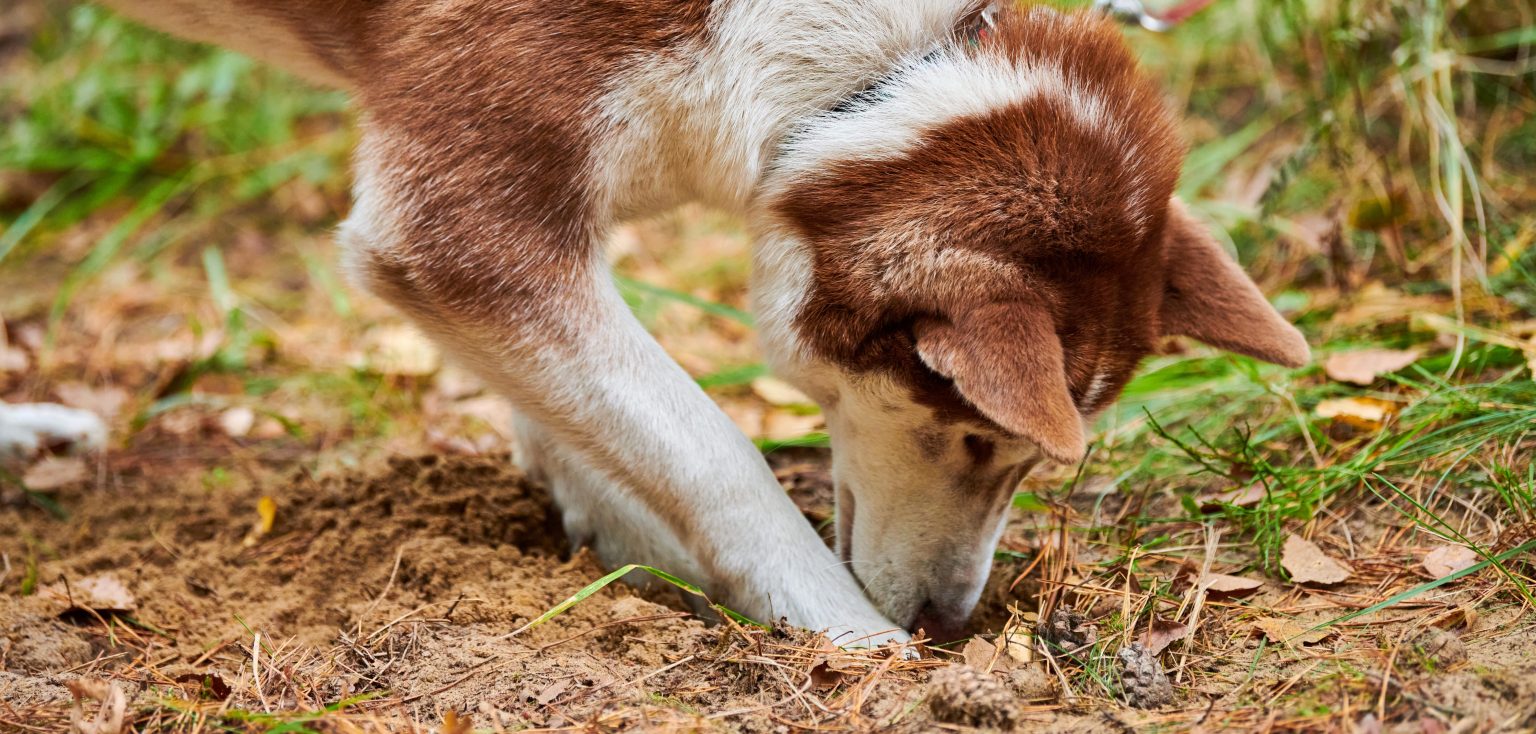
- Detection dogs helped locate kissing bug nests more efficiently than humans.
- No current cure or vaccine—prevention is the best defense.
The Impact of Canine Chagas Disease
Chagas disease poses a major threat to canine health, especially in regions like the southern United States where kissing bugs are common. Dogs can become infected by ingesting infected bugs or through blood transfusions and maternal transmission. Wildlife such as raccoons and opossums act as reservoirs, increasing the risk near kennels and homes.
The disease often goes undetected until it causes severe heart damage or sudden death. With no effective treatment or vaccine available, the need for better prevention and diagnostic tools is urgent.
Tracing Research Advancements
Researchers at Texas A&M University, supported by CHF, studied dogs in 10 Texas kennels and found a surprisingly high rate of Chagas infection. They recently published these findings, reinforcing the need for improved strategies to prevent kissing bug exposure. (Read “Chagas Disease Risk for Dogs in a Kennel Environment.”)
Their work includes:
- Kissing Bug Biology: Using a trained detection dog, researchers located kissing bug nests more efficiently. 27% of immature bugs were infected and had fed on animals like woodrats and opossums.
- Improved Testing: The team evaluated a new diagnostic method called multiplex microsphere immunoassay (MIA), which tests for antibodies against multiple Chagas-related antigens. It proved to be more precise and scalable than the current gold standard test.
These findings help pinpoint where and how the disease spreads and offer a promising path toward better diagnosis.
Driving Progress Today
This research lays the groundwork for better prevention and care strategies. Current and future studies are exploring:
- Chagas risk in dog populations outside the Southwest U.S.
- How co-infections (e.g., Lyme disease) affect disease severity
- Whether flea and tick preventatives impact kissing bug populations
- Further refinement of the MIA test for broader clinical use
Chagas disease research benefits both ends of the leash. Humans and dogs live in the same environments and are exposed to the same insects and animals that spread this deadly disease. What we learn about Chagas disease in one species will likely help both. This One Health approach is key to CHF’s mission to advance the health of all dogs and their owners.
