


Introduction
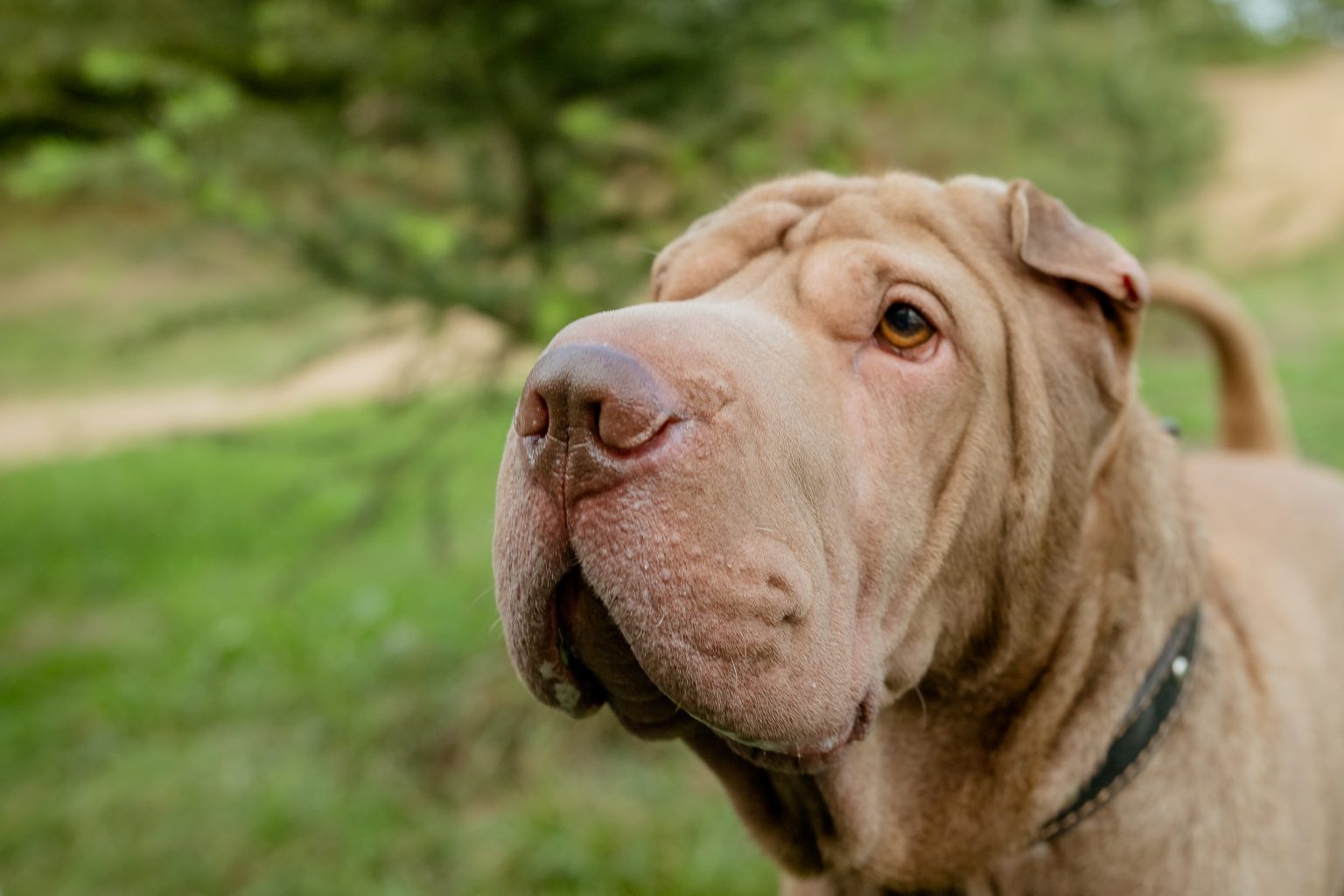
A groundbreaking international study has uncovered the genetic cause behind the breed’s wrinkled skin and its link to a serious inflammatory condition known as Shar-Pei Fever.
This discovery not only helps breeders make healthier choices but also opens new doors for understanding similar unexplained fever syndromes in humans. It’s a major step forward in canine genetics and health.
Key Points
- Wrinkled skin in Shar-Pei dogs is caused by overproduction of hyaluronan, linked to the HAS2 gene.
- A duplicated DNA segment near HAS2 increases risk for Shar-Pei Fever, a periodic inflammatory condition.
- The same genetic mutation causes both the breed’s skin folds and its fever disorder.
- Breeders can now test for this mutation to reduce disease risk.
- Findings may help explain similar autoinflammatory syndromes in humans, where 60% of cases lack a known genetic cause.
Challenge Background
Shar-Pei dogs are beloved for their distinctive wrinkled appearance, but this trait comes with a cost. Many Shar-Pei suffer from a condition called Shar-Pei Fever, which causes recurring high fevers and inflammation. For over a decade, breed clubs and researchers have prioritized finding the cause of this painful disorder.
The thickened skin of Shar-Pei dogs contains unusually high levels of hyaluronan, a substance that may trigger immune responses similar to those caused by infections. This raised concerns that the very trait breeders selected for might be contributing to serious health issues.
The Breakthrough
Researchers from Uppsala University and the Broad Institute conducted two parallel genetic studies: one comparing Shar-Pei dogs to other breeds, and another comparing healthy and sick Shar-Pei. Both studies identified the same culprit—a duplicated DNA segment near the HAS2 gene.
This duplication leads to overproduction of hyaluronan, which not only causes the breed’s signature wrinkles but also acts as a “danger signal” to the immune system, triggering periodic fever. The more copies of the duplicated segment a dog has, the higher its risk for developing the disorder.
This discovery was supported by multiple grants, including:
- Grant 1301: Development of DNA Markers for Shar-Pei Fever (University of Missouri, funded by the Chinese Shar-Pei Charitable Trust)
- Grant 460: Measurement of Acute Phase Reactants as a Diagnostic Tool in Shar-Pei Fever
Impact & Next Steps
This research empowers breeders to make informed decisions by avoiding dogs with multiple duplications of the HAS2-linked DNA segment. Genetic testing can now be used to reduce the prevalence of Shar-Pei Fever in future generations.
Beyond canine health, the findings have broader implications. Since many human autoinflammatory fever syndromes remain genetically unexplained, this study opens a new avenue for research into the role of hyaluronan in immune system disorders.
Veterinary researchers plan to explore targeted treatments and further investigate hyaluronan’s role in inflammation. The AKC Canine Health Foundation and the Chinese Shar-Pei Club of America are actively supporting these efforts.
Resources:
1. Olsson M, Meadows JRS, Truve´ K, Rosengren Pielberg G, Puppo F, et al. (2011) A Novel Unstable Duplication Upstream of HAS2 Predisposes to a Breed-Defining Skin Phenotype and a Periodic Fever Syndrome in Chinese Shar-Pei Dogs. PLoS Genet 7(3): e1001332. doi:10.1371/journal.pgen.1001332