

The Story
In the aftermath of the September 11, 2001 terrorist attacks, both human and canine search-and-rescue teams rushed into the chaos at the World Trade Center, the Pentagon, and the Staten Island landfills. While many human responders developed serious respiratory issues in the years that followed, their canine counterparts have shown surprisingly few long-term health problems.
A study led by the University of Pennsylvania School of Veterinary Medicine, funded with nearly $500,000 from the AKC Canine Health Foundation (CHF), followed 95 of these heroic dogs to monitor their health over time. These dogs worked in some of the most dangerous and toxic environments imaginable, yet they’ve proven to be remarkably resilient.
Dr. Cynthia Otto, who led the study, noted how unusual it is that these dogs did not suffer the same respiratory issues as their human partners. “They’re not developing any problems with their lungs or sinuses,” she said. “That is a real surprise.”
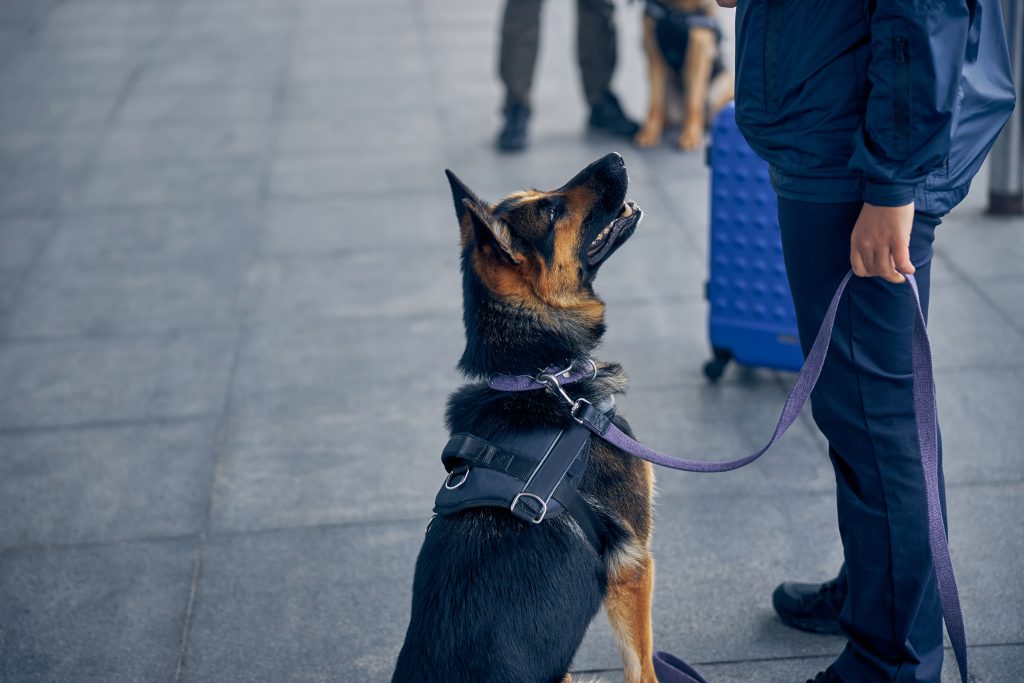
Most of the dogs sustained only minor injuries—scrapes, cuts, or paw pad wounds—and were able to continue their work. One such dog, Kaiser, a German shepherd, returned to duty shortly after receiving stitches for a cut paw.
The Research
Researchers tracked the health of the 9/11 search-and-rescue dogs for over a decade, collecting annual X-rays, blood samples, and behavioral surveys from their handlers. The results were compared to a control group of non-deployed search-and-rescue dogs to assess differences caused by exposure to the 9/11 environment.
Key findings from the study included:
- Respiratory health: Unlike human responders, the dogs showed no significant long-term respiratory issues.
- Longevity: Deployed dogs lived slightly longer (average lifespan 12.5 years) than non-deployed dogs (11.8 years).
- Resilience: Despite working in dangerous conditions without protective gear, the dogs remained in remarkably good health overall.
The data not only provided peace of mind to dog handlers like Tony Zintsmaster and Tom Andert, but also offered valuable insights into canine health under extreme conditions.
The Result
The study’s results are not just reassuring for dog lovers—they could be groundbreaking for science. Researchers are now considering why these dogs remained so healthy while human responders did not. One theory is that genetic or physiological differences may make dogs more resilient to respiratory toxins.
Because canine and human genomes share many similarities—and most diseases found in dogs also affect humans—future research could explore genetic markers in dogs that might lead to treatments for human respiratory diseases.
As CHF CEO Terry Warren put it, “These dogs are a national resource.” Their work and endurance have not only saved lives, but may also help improve the health of both dogs and people for generations to come.
Dr. Otto concluded, “If we could tap into that [resilience], we might actually help move human health forward.”