



Dr. Karen Muñana leads a groundbreaking study on at-home care for cluster seizures.
When a dog with idiopathic epilepsy begins to seize – especially in frightening, fast-paced succession known as cluster seizures – most dog owners head to emergency clinics for relief. Once there, they may be sent home with medications like clorazepate or levetiracetam, to be given every eight hours until the seizures subside.
Yet there’s a surprising problem: despite widespread use, no clinical studies have ever compared these treatments head-to-head, or quantified just how effective they really are.
Dr. Karen Muñana, a veterinary neurologist and longtime canine epilepsy researcher at NC State University, is working to change that with funding from the AKC Canine Health Foundation (CHF).
“There’s a big gap between what we do in practice and what we know from evidence,” said Dr. Muñana. “With this study, we’re aiming to close that gap.”
Her research focuses on idiopathic epilepsy, a type of epilepsy with no identifiable structural cause. It accounts for more than half of all canine epilepsy cases, and its symptoms can vary widely, from mild, infrequent seizures to severe clusters that demand emergency intervention.
This current study uses a randomized, blinded design to evaluate outcomes in dogs who receive clorazepate or levetiracetam during seizure clusters. The dogs’ seizure activity, recovery patterns, and side effects are being carefully monitored. This structure will provide unprecedented insight into how these two drugs actually work in real-world settings.
“A lot of pet owners are searching for answers at 2 a.m. when their dog is seizing,” said Dr. Muñana. “We want to make sure the guidance they find is backed by data.”
Early results are promising and suggest real improvements, not only in seizure control, but also in shortening postictal (post-seizure) recovery times, reducing seizure intensity, and improving quality of life.
It’s all part of the broader mission to turn the tide on canine epilepsy – moving from guesswork and fear to precision and confidence, even in moments of crisis.
To support this research and others like it, please consider making a gift to the AKC Canine Health Foundation. Your donation helps fund science that transforms how we care for dogs with epilepsy and gives families the tools they need when it matters most.
Gronk's Story
A Goofy Golden Retriever Joins the Fight Against Cluster Seizures

Gronk’s epilepsy seemed well controlled—until he suffered a sudden grand mal seizure and, not long after, began seizing multiple times a week. Even with three daily medications, his seizures persisted.
That’s when Gronk’s family discovered Dr. Muñana’s study. As part of the clinical trial, he began a rescue medication protocol designed to interrupt cluster seizures. His owners now administer a timed dose after a seizure, followed by doses every 8 hours until he’s stable.
“Being part of this study gave us hope,” said Gronk’s owner, Renan. “It felt like we were taking action, not just for Gronk, but for all the dogs like him.”
Wesley's Story
After 9 Years of Epilepsy, New Protocols Offer New Relief
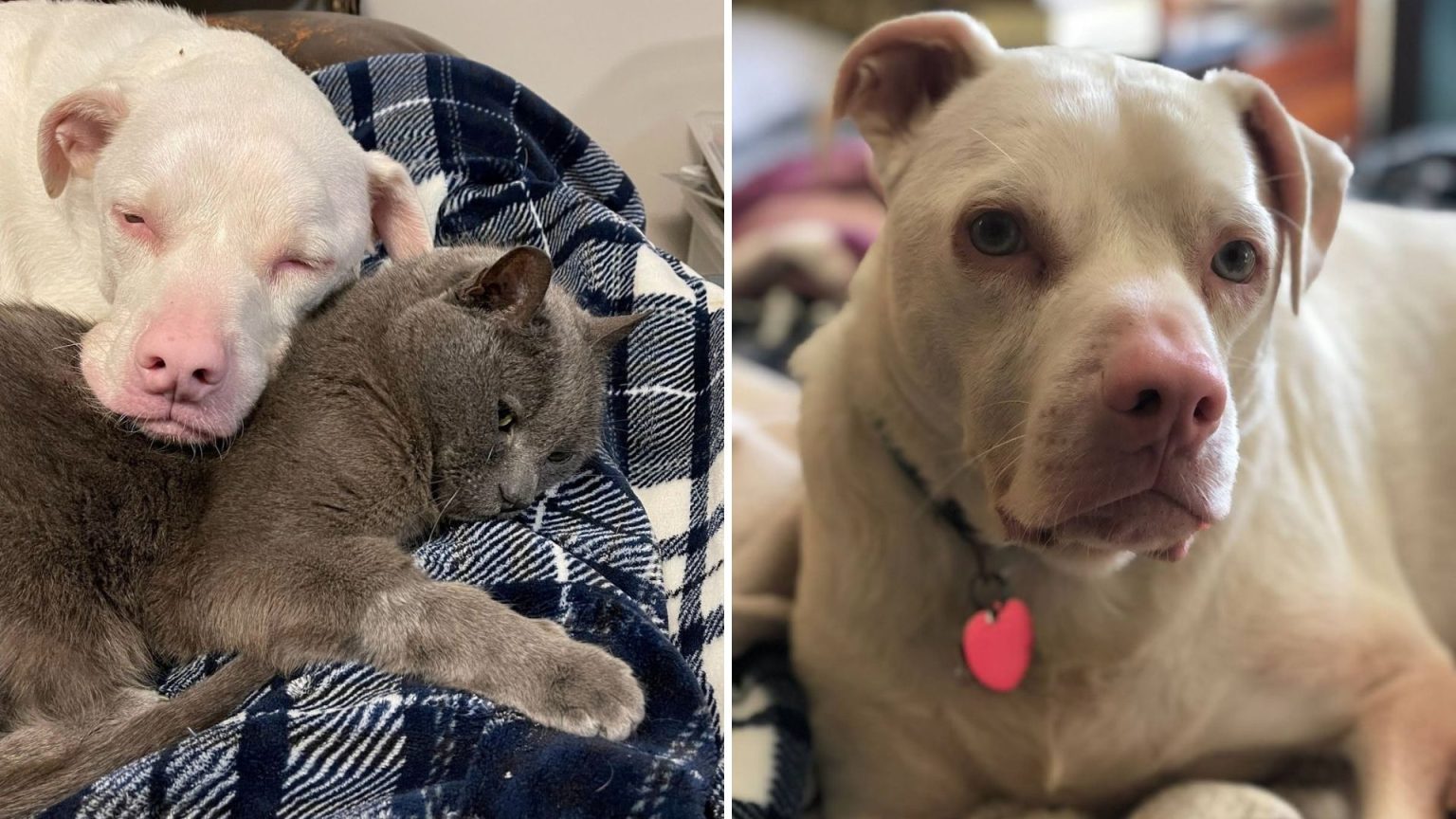
Wesley, a 10-year-old Retriever mix, has lived with epilepsy for nearly his entire life. After enrolling in the study at NC State, Wesley’s owners administered a blinded rescue medication immediately after his seizures and noticed a measurable difference.
“He’s now having more focal seizures rather than full ones,” said his owners, Leung and Nancy Chan. “His recovery time is shorter, and he’s no longer running into walls. That’s huge.”
Their motivation to join the study was simple: “We wanted to help Wesley and any dog who might benefit from better answers in the future.”
Turn the Tide for Dogs with Epilepsy
Do you live near Raleigh, NC and have a dog with idiopathic epilepsy? You may be eligible to join a groundbreaking study at NC State led by Dr. Karen Muñana.
To learn more, email cvmepilepsy@ncsu.edu to connect with study coordinator Julie Nettifee for a brief phone screening. If your dog qualifies, you’ll help advance critical research and bring hope to families everywhere facing epilepsy.
Can’t join the study? You can still help turn the tide by supporting the AKC Canine Health Foundation. Your donation powers life-saving research and brings us closer to better treatments—and brighter futures—for dogs in need.
Donate Now.