

New research aims to predict drug resistance in dogs with epilepsy, bringing personalized treatment within reach.
When a dog is diagnosed with idiopathic epilepsy, or epilepsy with no identifiable cause such as a tumor or brain injury, veterinarians are often left without clear guidance on which medication will be most effective for that dog.
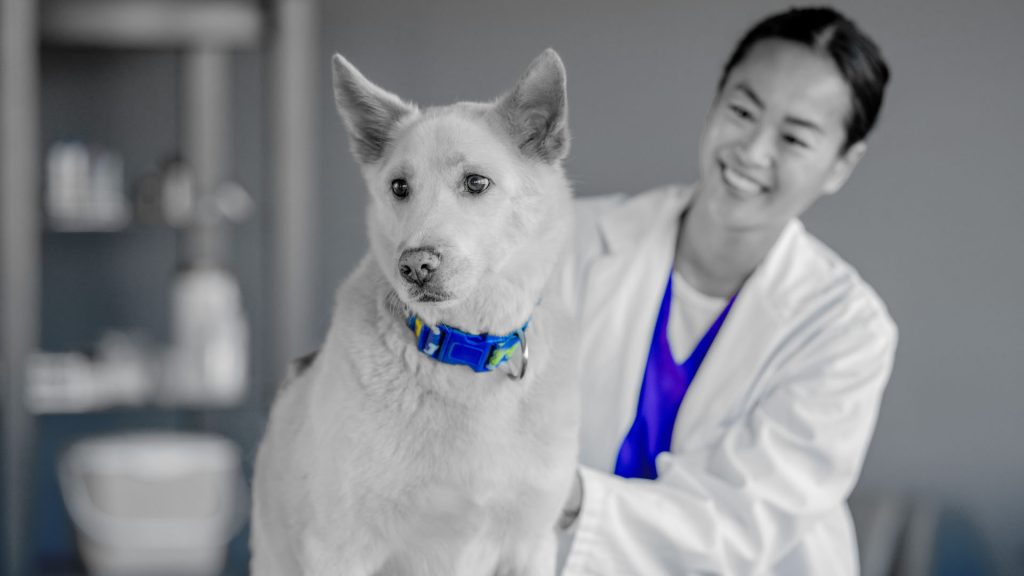
“We don’t know what drug is best to control the epilepsy of a specific patient,” explains Dr. Thomas Parmentier, a veterinary neurologist and researcher at the Université de Montréal. “That means treatment typically begins with a process of trial and error to find the right drug, or drug combination, for each individual dog.”
Idiopathic epilepsy is the most common neurologic disorder in dogs, affecting millions worldwide. Yet despite its prevalence, the condition remains poorly understood, and current treatment options can be frustrating and unpredictable.
Because seizures are episodic and vary in frequency and severity, diagnosis and monitoring often rely on an owner’s ability to observe and document episodes, which is not always possible for busy families. This can lead to gaps in clinical understanding and delay finding an effective treatment.
The standard approach typically involves prescribing anti-epileptic drugs (AEDs), which can be effective but often come with side effects like sedation, poor coordination, increased appetite, or excessive thirst. For about one-third of dogs, long-term seizure control requires multiple medications given daily for life. Another third develop drug-resistant epilepsy, where seizures continue despite treatment with at least two appropriate AEDs.
For these dogs and their families, the challenges are immense financially, emotionally, and in terms of quality of life.
“The more medication we use, the greater the burden is in regard to side effects for the patient, stress for the owner, and often limited improvement,” says Dr. Parmentier.
“The more medication we use, the greater the burden is in regard to side effects for the patient, stress for the owner, and often limited improvement,” says Dr. Parmentier.
That’s why Dr. Parmentier and his team are working to shift the paradigm. With support from the AKC Canine Health Foundation, they are investigating clinical features and biomarkers, biological signals in the blood and brain, that could predict whether a dog is likely to develop drug resistance at the time of diagnosis.
Using advanced tools like electroencephalography (EEG) to analyze brain wave patterns and blood-based biomarker testing, the team hopes to identify a predictive profile that will help veterinarians tailor treatment strategies from day one to suit the unique needs of each dog.
“If we can know at the onset which dogs are likely to become drug-resistant,” Dr. Parmentier explains, “we can intervene earlier, more effectively, and with greater precision, improving outcomes for dogs and reducing the hardship on their families.”
It’s a vision of personalized medicine in veterinary care: better diagnostics, smarter treatment choices, faster relief, and a better future for dogs living with epilepsy.