

A Familiar Conversation at the Vet
You may have heard it before: “Your dog is a little overweight,” or, “We need to get a few pounds on him.” Just like humans have Body Mass Index (BMI), dogs have a system too and it’s called Body Condition Score (BCS). But what if that score doesn’t tell the whole story?
What is BCS and How Does it Work?
BCS is a widely accepted tool used by veterinarians to estimate a dog’s body fat. It’s typically measured on a scale from 1 to 9, with the ideal body condition falling in the middle of the range. A score of 1 indicates extreme thinness, while a score of 9 means the dog is obese, and both ends of the scale are considered unhealthy.
Here’s the surprising part: although it uses a numbered scale, BCS is not determined through a calculation.
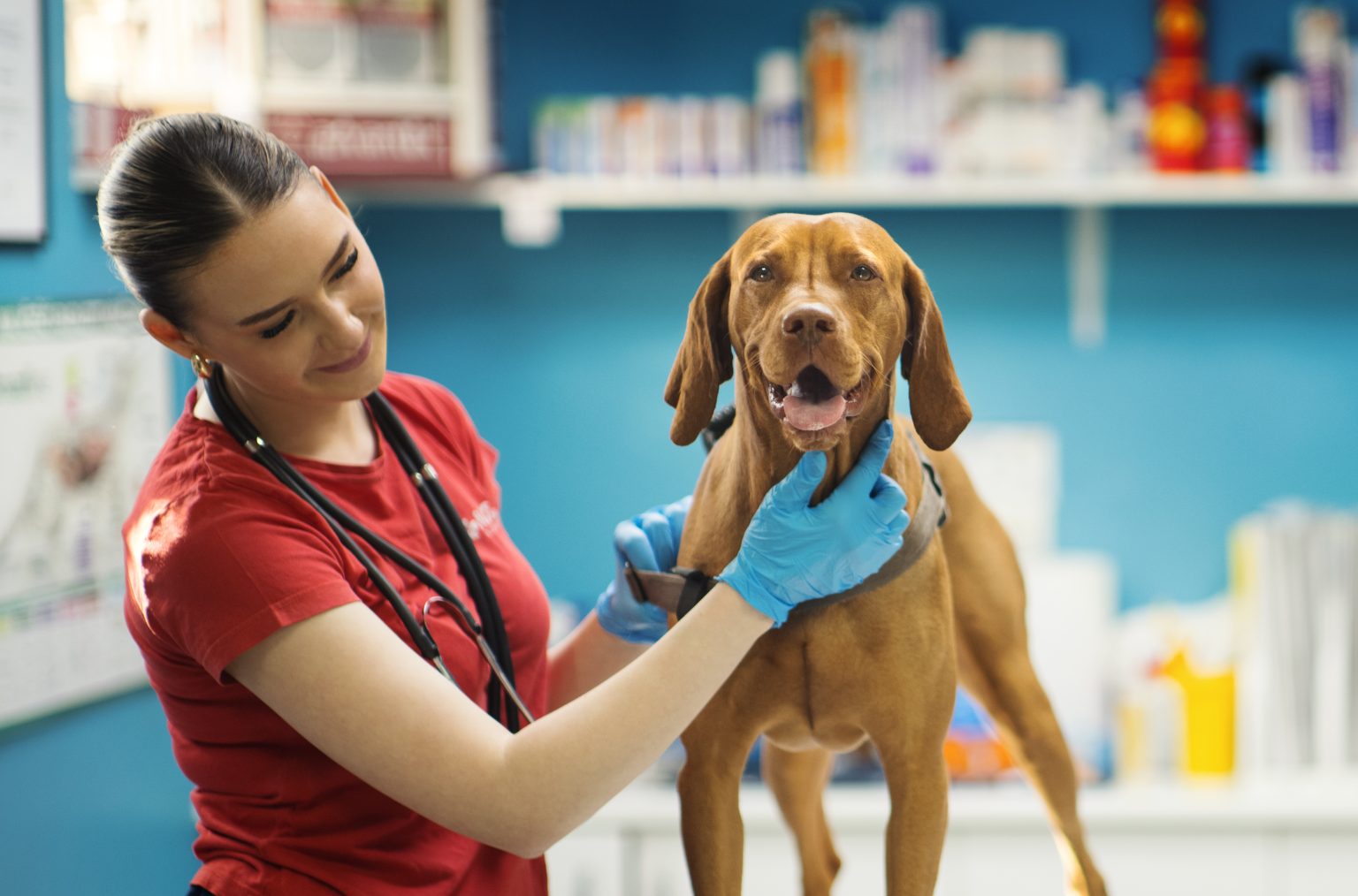
Veterinarians assign a score based on visual observation and touch. They examine the dog from above and from the side, checking for a defined waist and abdominal tuck. Then they palpate the ribcage to feel for a thin but perceptible layer of fat. This method is fast, practical, and useful in most cases.
The Limits of a One-Size-Fits-All System
For high-performance dogs like sled dogs, the standard BCS system may fall short. Dr. Cristina Hansen, Department Head of Veterinary Medicine at the University of Alaska Fairbanks and long-time sled dog vet, has seen this firsthand.
“These dogs lose both fat and muscle over the course of a long-distance race,” said Dr. Hansen. “And the current system doesn’t give us enough nuance to accurately monitor their condition.”
During races, trail veterinarians often work in harsh weather, with limited time and hundreds of dogs to assess—sometimes in the dark and while the dogs are bundled in protective coats. In these conditions, key details may not be captured using the standard BCS.
What’s most important about these veterinary evaluations is making sure that each dog, who has a strong drive to run, maintains a healthy weight and stays properly hydrated throughout the course of the race. The BCS assessment helps monitor health, reducing the risk of injury.
A New Approach, Tailored to the Athlete
With support from the AKC Canine Health Foundation, Dr. Hansen designed a novel scoring system that breaks the body down into parts, like the iliac crest, or the top of the hip, instead of rating the dog as a whole. This allowed her to explore more targeted ways of tracking body condition.
In 2022, Dr. Hansen put her experimental 10-point system to the test, evaluating endurance sled dogs right after they finished a long-distance race, and uncovered insights that the traditional BCS scale would not have captured.
Interestingly, the fastest team lost the most overall muscle and water, but not the most fat.
Although her new scoring system didn’t align perfectly with objective fat mass measurements, the findings offer valuable insight.
The Bigger Picture
Dr. Hansen’s work raises an important point: while tools like BCS are designed to apply broadly, dogs, like people, vary in how they carry and lose weight. A mushing sled dog may have a very different body composition than a companion pet, just as a marathon runner’s physique differs from that of a sedentary person.
As our understanding of canine health grows, so too must our assessment methods—especially for working, sporting, and aging dogs whose bodies may change in ways the standard scale doesn’t fully capture.