


Introduction
Canine transfusion medicine is an important, life-saving tool. Whole blood transfusions are used to treat anemia such as blood loss following an accident or during surgery, conditions where the body does not make enough red blood cells, or immune-mediated destruction of the red blood cells (known as immune-mediated hemolytic anemia or IMHA). Plasma transfusions contain all of the proteins and enzymes of blood without the red blood cells and are used to treat bleeding disorders or severely low protein levels. But did you know there’s a nationwide shortage of canine blood products?
This breakthrough highlights how veterinary blood donor programs and ongoing research are transforming transfusion medicine for dogs. Whether your dog needs blood or could become a donor, this matters to every pet owner.
Key Points
- Canine blood transfusions treat conditions like trauma, IMHA, and bleeding disorders.
- There’s a nationwide shortage of canine blood products. Local blood banks are vital.
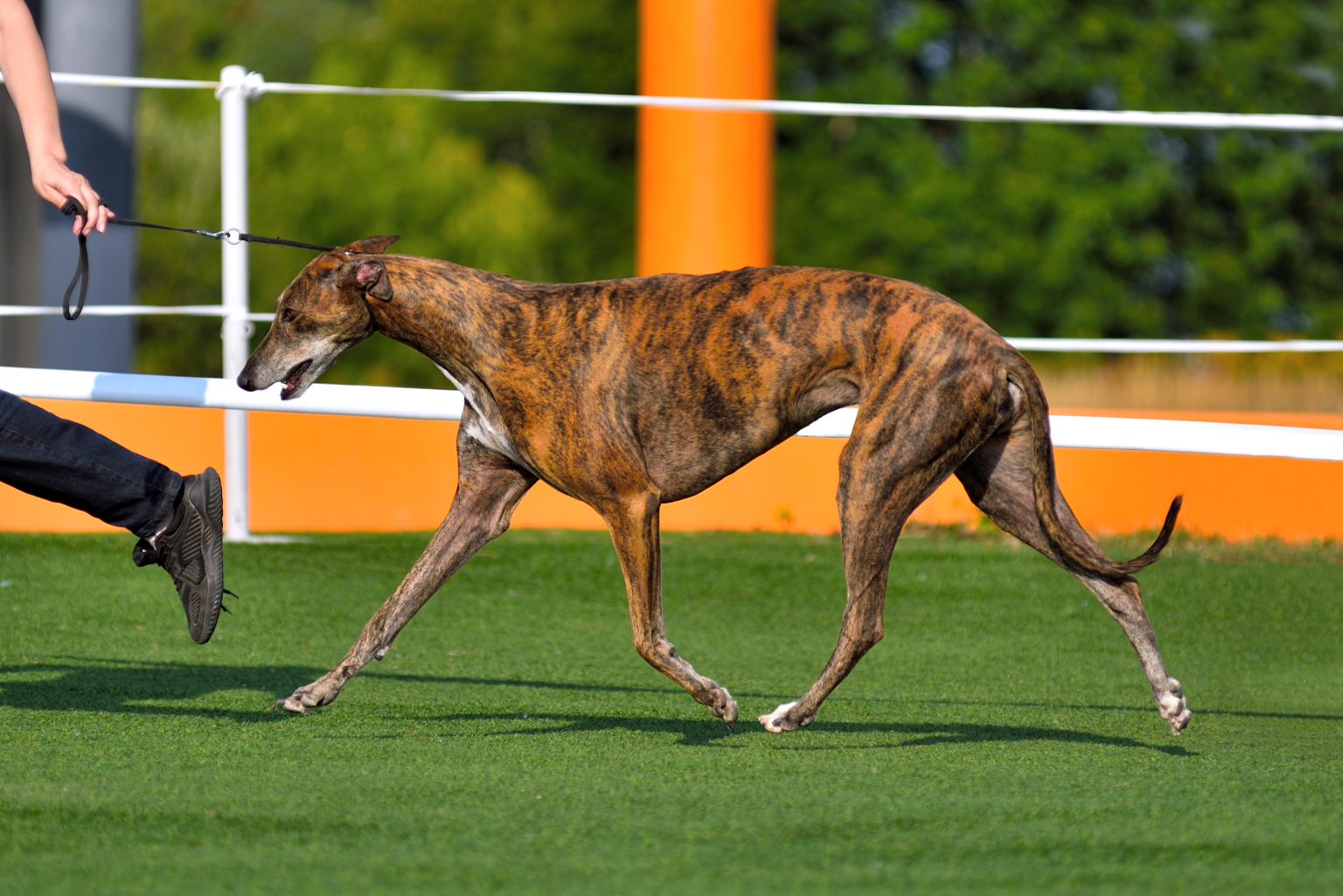
- Dogs like Irish Wolfhounds and Greyhounds are more likely to be universal donors.
- Research is improving diagnosis and treatment of blood disorders like IMHA and thrombocytopenia.
- Dog owners can help by enrolling healthy dogs in blood donor programs.
The Impact of Canine Blood Disorders
Dogs suffering from anemia, trauma, or clotting disorders often need blood transfusions to survive. Conditions like IMHA cause the immune system to destroy red blood cells, while rodent bait toxicity can impair clotting. However, not all canine blood is compatible, making blood typing and matching critical. Dogs have at least twelve known blood types, with DEA 1.1 being the most reactive and widely studied. Dogs that are DEA 1.1 negative are considered universal donors. Their blood can be safely transfused into both DEA 1.1 negative and positive recipients. This makes them especially valuable in emergency situations where there’s no time for detailed compatibility testing.
Without access to blood products, treatment options are limited and outcomes worsen. Veterinary hospitals, like the University of Minnesota’s ICU, rely heavily on blood products, but face shortages. That’s why donor programs using client-owned dogs are essential. Owners like Denise Ratzlaff have seen firsthand how donated blood saved their pets during emergencies.
Tracing Research Advancements
The AKC Canine Health Foundation is funding cutting-edge research to improve diagnosis and treatment of canine blood disorders:
- Grant 02637-A: Improving the saline agglutination test to reduce false positives in IMHA diagnosis.
- Grant 02536-MOU: Using genetic testing to predict bleeding severity in dogs with immune thrombocytopenia.
- Grant 02348: Studying gene activity in dogs with IMHA to identify new treatment targets.
These studies aim to reduce misdiagnosis, personalize treatment, and uncover new therapies for life-threatening blood conditions.
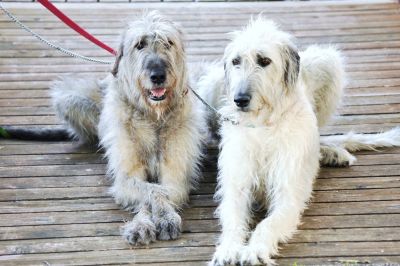
Two of Denise Ratzlaff’s Irish Wolfhounds – LuLu and Gussie
Driving Progress Today
Veterinary blood donor programs are expanding, and research is shaping future care. Findings from CHF-funded studies may lead to better diagnostic tools and targeted treatments for IMHA and other disorders.
For dog owners, this means improved outcomes during emergencies and chronic illness. Blood typing and crossmatching are becoming more accessible, helping veterinarians avoid dangerous transfusion reactions. Dogs that are DEA 1.1 negative, like Irish Wolfhounds and Greyhounds, are especially valuable as universal donors.
You can support this progress by enrolling your dog in a donor program or contributing to canine health research. Visit avhtm.org or akcchf.org/donate to learn more.
