


Introduction
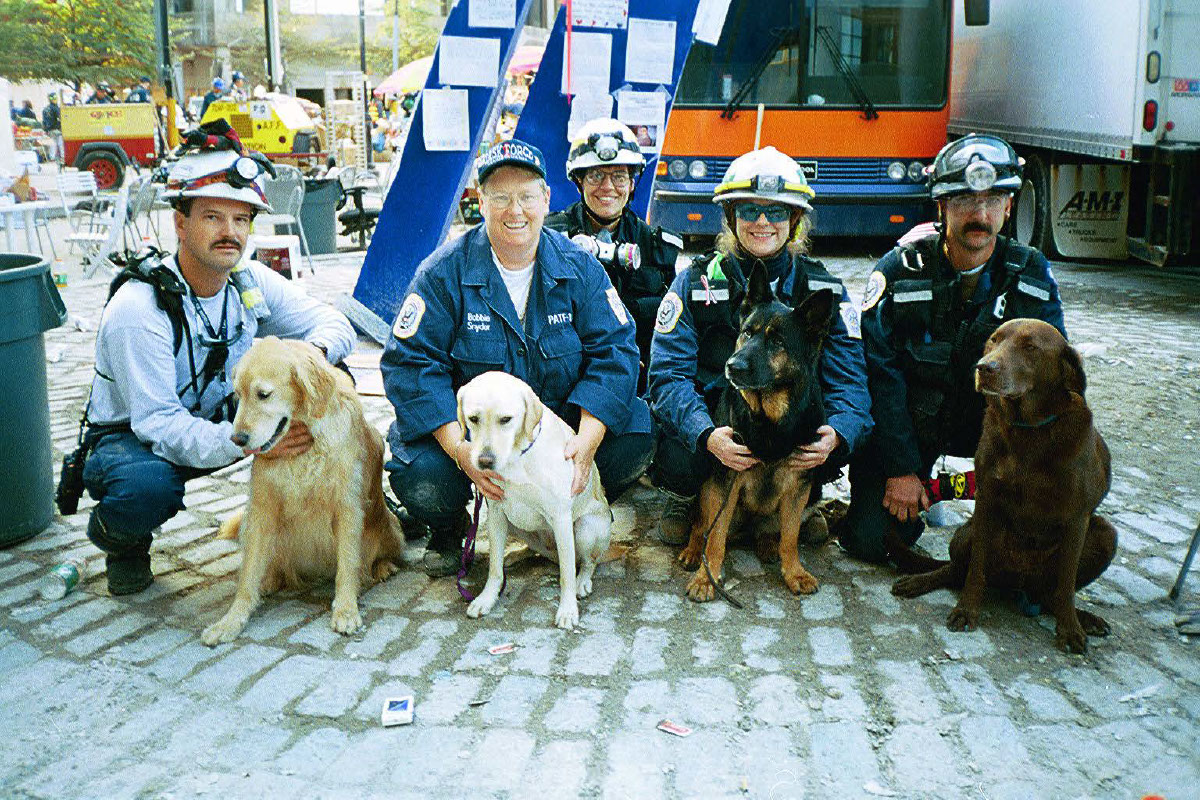
After the tragic events of September 11, 2001, search and rescue (SAR) dogs played a heroic role in recovery efforts. These dogs worked tirelessly in hazardous conditions, and their health became a major concern for veterinarians and researchers. A long-term study led by the AKC Canine Health Foundation and Penn Vet Working Dog Center has now revealed encouraging findings about the health outcomes of these brave canines.
This breakthrough matters to dog owners because it shows how working dogs, even those exposed to extreme environments, can live long, healthy lives. It also highlights the importance of physical fitness, strong human-animal bonds, and purpose in canine wellbeing.
Key Points
- Around 300 SAR dog teams were deployed to 9/11 disaster sites.
- Long-term health risks for deployed dogs were low, with no increased cancer or early death.
- Most common cause of death was age-related degenerative disease, not exposure-related illness.
- Particulate matter was found in lungs of 95% of exposed dogs, but not linked to disease.
- SAR dogs’ longevity may be tied to fitness, handler bond, and sense of purpose.
Challenge Background
Following 9/11, SAR dogs were exposed to smoke, ash, dust, and chemicals through inhalation, skin contact, and ingestion. Concerns quickly arose about the long-term health effects of these exposures. The AKC Canine Health Foundation partnered with researchers to monitor the physical and behavioral health of these dogs over time. The goal was to understand whether their service led to increased risk of disease or shortened lifespans.
The Breakthrough
Researchers tracked the health of SAR dogs deployed to 9/11 sites and compared them to non-deployed SAR dogs. One year after deployment, exposed dogs showed elevated levels of immune proteins and liver enzymes. However, five years later, these levels normalized. Over the full study period, there was no significant difference in cancer rates, age at death, or cause of death between the two groups.
A necropsy (animal autopsy) revealed particulate matter in the lungs of 95% exposed dogs, but only 63% of unexposed dogs. Anthracosis, a condition involving pigmented material in lung cells, was common in both groups and appears to be a general occupational hazard for SAR dogs. Therefore, anthracosis appears to be an occupational hazard for all SAR dogs but was not associated with an increased risk of cancer or other lung disease in this population.
Impact & Next Steps
This research reassures dog owners and handlers that SAR dogs can live long, healthy lives despite working in hazardous environments. It also emphasizes the value of physical fitness, emotional connection, and purpose in canine wellbeing. Future research will continue to explore occupational health risks for working dogs and improve care practices.
The AKC Canine Health Foundation remains committed to supporting SAR teams and advancing canine health through collaboration with veterinarians, handlers, and researchers. Learn more at akcchf.org.
References:
Otto CM, Downend AB, Serpell JA, et al. Medical and behavioral surveillance of dogs deployed to the World Trade Center and the Pentagon from October 2001 to June 2002. J Am Vet Med Assoc 2004(225), 861–867.
Otto CM, Downend A, Moore G, et al. Medical surveillance of search dogs deployed to the World Trade Center and Pentagon: 2001–2006. J Environ Health 2010(73), 12–21.
Otto, C. M., Hare, E., Buchweitz, J. P., Kelsey, K. M., & Fitzgerald, S. D. (2020). Fifteen-year surveillance of pathological findings associated with death or euthanasia in search-and-rescue dogs deployed to the September 11, 2001, terrorist attack sites. Journal of the American Veterinary Medical Association, 257(7), 734–743.