


Hypothesis
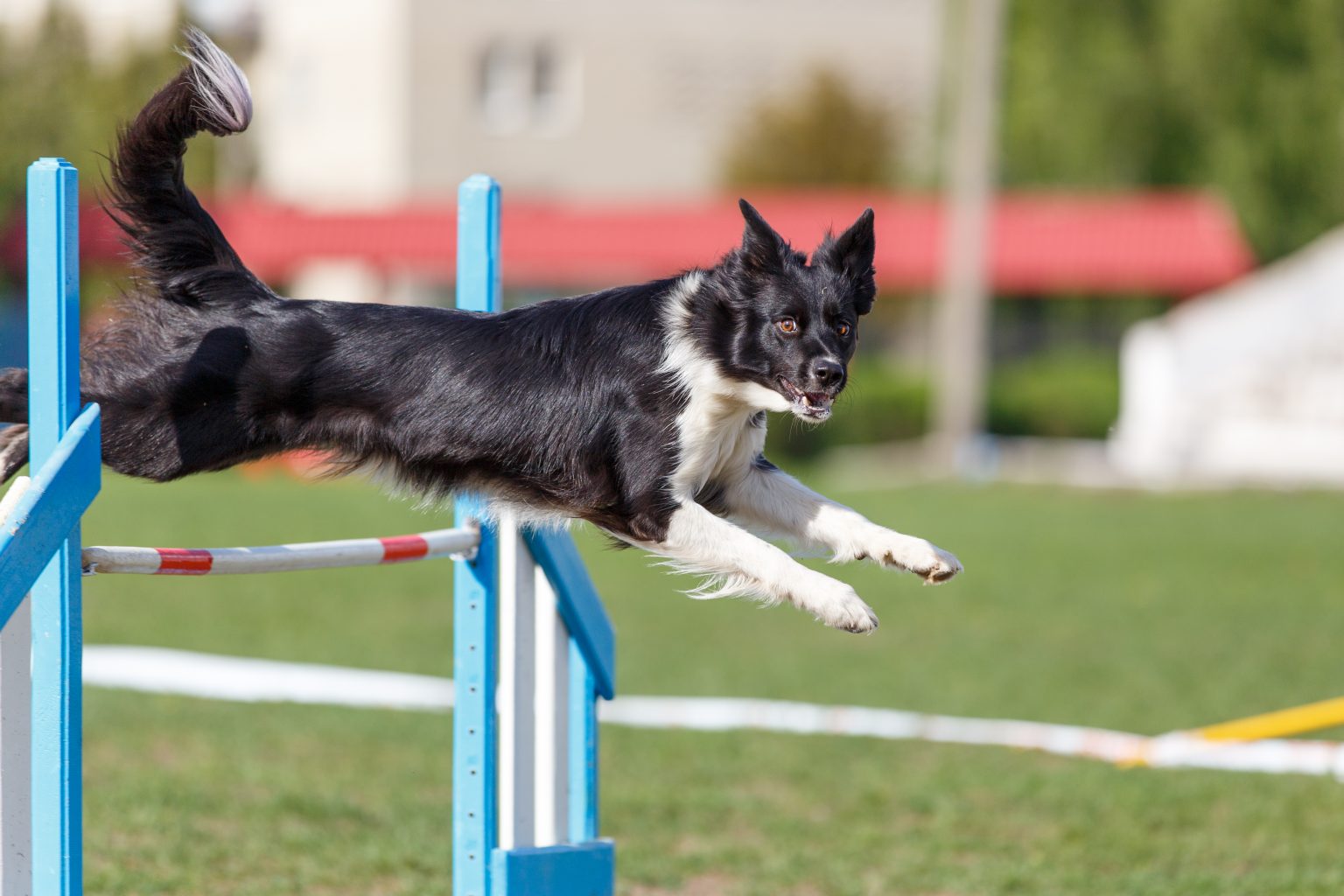
Agility dogs are incredible athletes, but like human sports stars, they face risks of injury from intense training and competition. These injuries can result from repetitive movements, poor form, or overtraining—issues that are hard to detect without specialized tools. In human sports medicine, wearable technology is already used to monitor performance and prevent injuries. The hypothesis behind this research is that similar technology can be adapted for dogs to track their agility movements, identify signs of fatigue or overuse, and ultimately help prevent injuries before they become serious.
Dr. Arielle Markley, a canine sports medicine specialist at The Ohio State University, believes that detailed monitoring of dog activity is essential to understanding and preventing injuries in agility dogs. Her team’s goal is to create a wearable sensor system that can recognize specific agility movements and provide data that helps handlers make informed decisions about training and recovery.
Research Approach
With support from the AKC Canine Health Foundation (CHF), Dr. Markley and her collaborators at Georgia Institute of Technology and University of Akron are developing a wearable sensor that attaches to a dog’s collar (Grant 03068-A: AGILE (AGility Innovations Leveraging Electronics) – An Initial Study of Technology for Quantifying Canine Agility-specific Activity). This sensor includes a custom circuit board designed to detect and record the dog’s movements during agility training and competition. The team is also building a companion app that will allow handlers to view and analyze this data.
Initial testing showed that the sensor could successfully identify which obstacle the dog was performing—such as jumping or weaving—based on movement patterns. This is a major breakthrough because it means the technology can distinguish between different agility activities. With the help of volunteer agility teams in Columbus, Ohio, the researchers are collecting large amounts of data to refine the system. They’re using machine learning to detect even subtle differences in movement, which could help identify early signs of fatigue or injury.
Dr. Markley shared that one of the most exciting moments was seeing clear differences in the data plots from various agility activities during the first weekend of testing. The challenge now is managing the sheer volume of data, which is a good problem to have—it means the sensor is working better than expected. Led by Dr. Arielle Markley, this project is developing sensors and an app to monitor agility dogs’ movements, helping prevent injuries and improve performance.
Potential Impact
This research could be a game-changer for agility dog owners and handlers. By using wearable technology to monitor performance and detect early signs of injury, teams can adjust training routines to keep dogs healthy and performing at their best. The app being developed will make it easier for handlers to track progress, spot potential issues, and make informed decisions about rest and recovery.
The findings from this study will be presented at the 9th International Conference on Canine & Equine Locomotion (ICEL) in the Netherlands and published in scientific journals. Long-term, this technology could benefit not just agility dogs, but also service dogs, search and rescue dogs, and other working dogs whose physical health is critical to their roles.
For dog owners, this means a future where you can train smarter, not harder—keeping your dog safe while still enjoying the thrill of agility. The AKC Canine Health Foundation has long supported research that improves the physical, mental, and emotional well-being of dogs, and this project is a strong step forward in that mission.