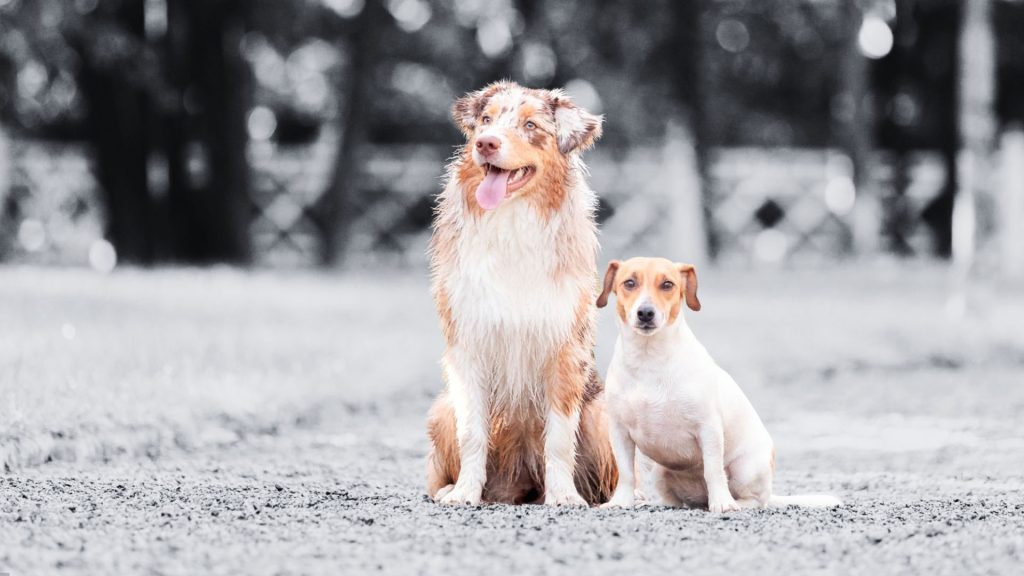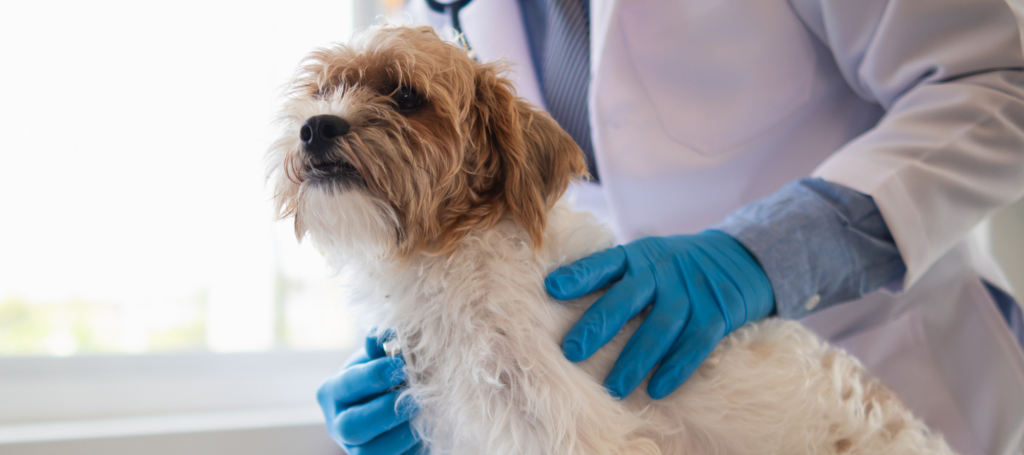


For many dogs, a trip to the lake, splashing through a stream, or swimming in a cool pond is pure joy. It is movement, connection, play, and exploration all in one. Yet the same environments that make outdoor adventures so appealing can also carry hidden health risks.
One of these is canine schistosomiasis (shis-toh-so-MY-uh-sis), a parasite infection caused by the Heterobilharzia americana, commonly called a liver fluke. As part of its life cycle, the parasite develops in freshwater snails before being released into ponds, lakes, and slow-moving creeks and rivers. Dogs can become infected by swimming, wading, or even drinking from contaminated water.
The challenge is that what starts as a fun day outdoors may not affect a dog until weeks or even months later. Infected dogs can develop a wide range of vague, nonspecific signs, making the disease difficult to recognize. Some gradually lose weight, seem tired or uncomfortable, or develop ongoing stomach problems that never fully resolve. Others may lose interest in food, have persistent diarrhea, or develop a fever. In more severe cases, the infection can damage vital organs and become life-threatening.
A New Finding in the American West
In 2023, Dr. Adler Dillman, a parasitology professor at University of California, Riverside, received an unexpected call from the Los Angeles County Department of Public Health. Dogs in that area of California had been diagnosed with canine schistosomiasis, and it dated back as far as 2018.
Until then, the disease had been considered a concern primarily along the Gulf Coast and the South Atlantic, not in the western United States. The discovery of infections in dogs that may have been exposed in California raised an important question. Had the parasite quietly expanded its range?
Dr. Dillman and his team moved quickly, visiting the Colorado River area where the infected dogs had visited. After collecting freshwater snails and returning to the lab, they found that some were shedding the infective stage responsible for spreading disease.
The discovery was a turning point. It confirmed the team was on the right track while providing long-awaited answers for public health officials, veterinarians, and affected owners.
“Honestly we were really excited to see the parasite we were looking for,” Dr. Dillman told CHF. “But that’s not exciting for dog owners. That’s terrible.”
The finding marked the westernmost detection of this liver fluke in the United States and raised broader questions. How widespread is the infection, and how many dogs could be at risk?
Mapping Risk to Protect Dogs
With support from the AKC Canine Health Foundation, Dr. Dillman is now leading a study to answer these questions. His team is testing dogs and sampling freshwater sources across multiple states to better understand where the parasite may be present and how often dogs are exposed.
The project brings together experts from several disciplines. Dr. Dillman’s lab is partnering with Dr. Kate Aicher, a veterinarian specializing in gastrointestinal disease at Texas A&M University, whose CHF-funded research focuses on liver flukes affecting dogs in Texas. The team is also working with an epidemiologist to identify patterns and potential hotspots across regions.
Since funding began, dog owners have reached out with practical questions. Many are planning trips and activities with their dogs and want to know whether the lakes, ponds, and rivers at their destinations are safe.
Those concerns capture why this work matters. At this point, we still don’t know exactly where the liver fluke is found as its range expands or how often dogs are being exposed. By mapping where the parasite is and identifying areas of greatest risk, this study will provide information that dog owners, veterinarians, and public health officials can use to make more informed decisions.
For dog owners, the findings will help identify where extra precautions may be needed. For veterinarians, it will improve awareness of an emerging disease and support earlier recognition and diagnosis.
This is exactly why the AKC Canine Health Foundation invests in research. By answering the questions that matter most to dog owners and veterinary teams, science helps keep dogs safer wherever life takes them.
Support research that helps keep dogs active, healthy, and safe at akcchf.org/donate.