

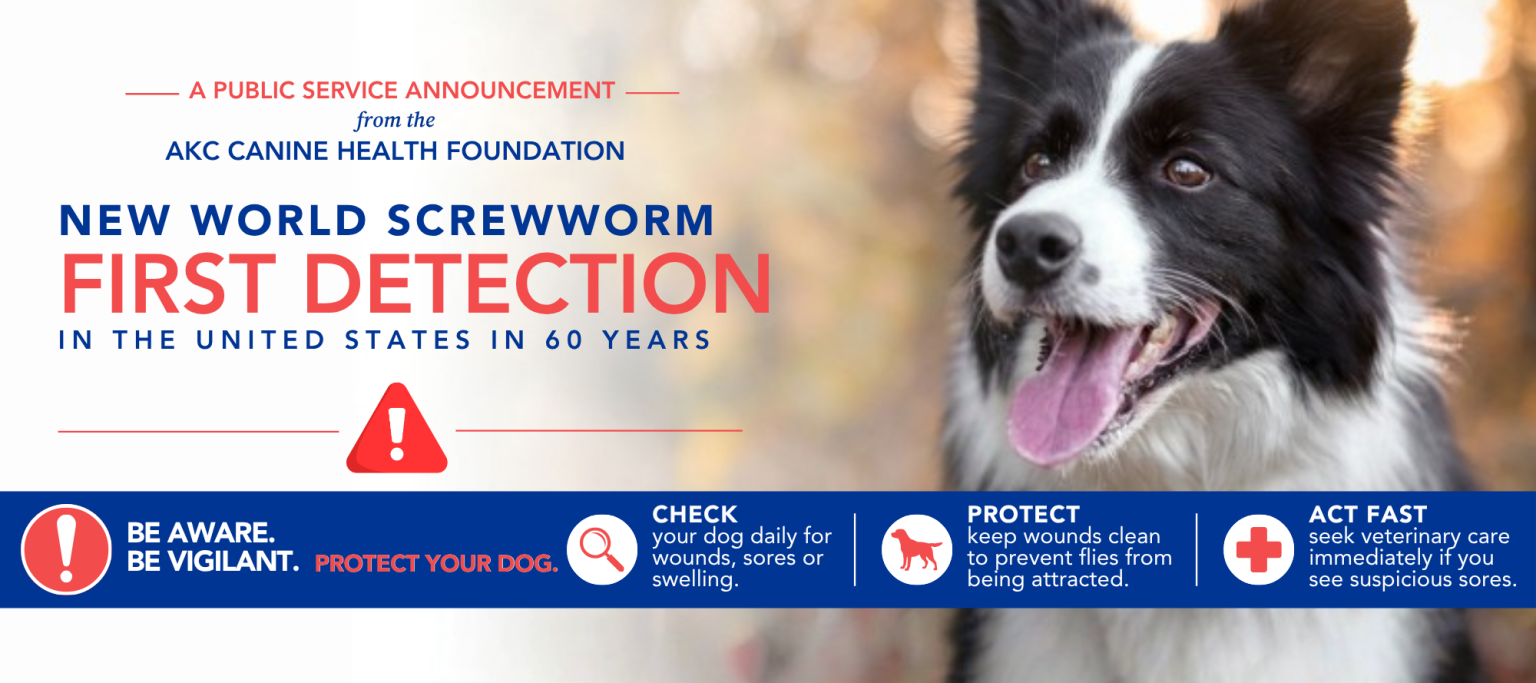
Reports of New World screwworm cases in the United States have understandably raised concerns among dog owners. New World screwworm was eradicated from the United States decades ago, but recent detections have brought renewed attention to this serious pest and the importance of early detection. USDA is tracking confirmed cases and urging animal owners to watch for bloody or foul-smelling wounds or visible larvae or eggs in or around wounds.
While an increase in reported cases may feel alarming, it also means surveillance is working. As awareness grows and veterinarians, animal health officials, and the public know what to look for, expect more cases to be identified and reported.
As with any outbreak, information will continue to evolve. Public health officials and veterinarians are closely monitoring the situation, and guidance will continue to be updated as new details become available.
What Is New World Screwworm?
New World screwworm is a parasitic fly whose larvae feed on living tissue. Adult female flies lay eggs near wounds or moist body openings, including the nose, ears, mouth, navel, and genitals.
The wound can be surprisingly small. A tick bite, minor scratch, or needle-stick site may provide an entry point for infestation.
Once eggs are laid, they hatch within 12 to 24 hours. The developing larvae burrow into healthy tissue, creating a painful wound that can quickly enlarge. Without treatment, these infestations can become severe and even fatal.
Why Is It Back?
The New World screwworm was successfully eradicated from the United States through one of the most important animal health programs in history. That effort relied on the strategic release of hundreds of millions of sterile male flies. Female screwworm flies mate only once, so mating with a sterile male prevents reproduction and gradually reduces the population.
By the early 2000s, the parasite had been pushed back to the Panama Canal. In recent years, however, the New World screwworm began expanding northward again. Some spread occurred as fly populations moved into new areas, while other cases were linked to the movement of infested animals.
One challenge facing today’s control efforts is that many facilities once used to produce sterile flies were decommissioned after eradication was achieved. These facilities require rebuilding and re-staffing, so the New World screwworm will not be eradicated again soon.
Sustained control efforts will likely be necessary for years. Researchers and animal health officials are also exploring new technologies that could accelerate future eradication efforts.
Are Dogs at Risk?
The New World screwworm most often affects livestock, especially cattle, but it can infest many animals, including wildlife, horses, dogs, cats, and, rarely, people.
Dogs can be affected, and recent U.S. detections have included a dog, underscoring the need for vigilance among pet owners. Risks are higher for free-roaming, stray, transported, or recently rescued dogs because they are more likely to sustain wounds from fights or injuries and less likely to receive routine preventatives.
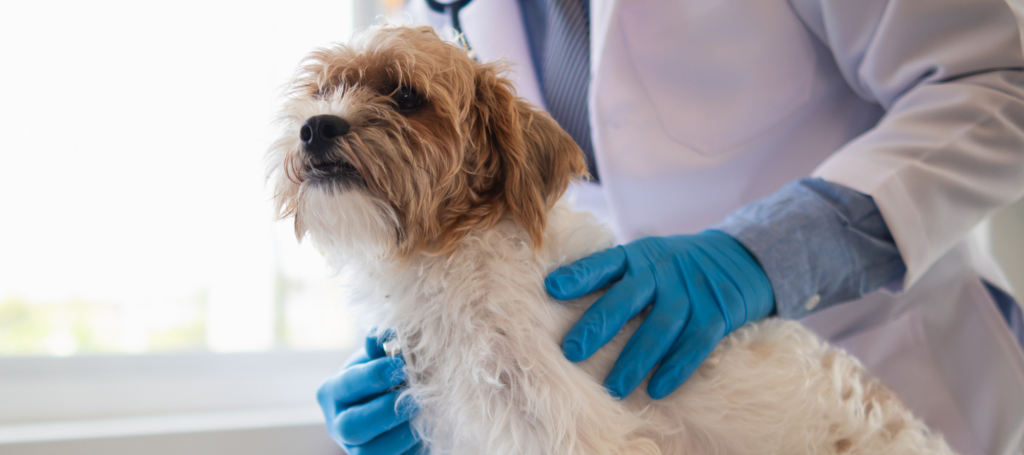
For most pet dogs, the immediate risk remains relatively low. Regular checks, prompt wound care, and veterinary attention when something looks unusual are the best ways to protect your dog.
If you travel with dogs or are involved in rescue, transport, or importation efforts, extra vigilance is warranted. The movement of infested animals has contributed to the spread of the parasite in some regions, so careful adherence to animal health requirements and thorough inspection before and after travel are important for protecting all dogs.
Preparedness and Treatment
As part of ongoing preparedness efforts, the U.S. Food and Drug Administration has issued Emergency Use Authorizations for certain animal health products used to treat or help prevent New World screwworm infestations in animals, including products for dogs and cats.
Dog owners should consult their veterinarian about appropriate options. The list of authorized products is expected to change as response efforts evolve.
Routine parasite prevention is an important way to protect your dog. Preventing tick bites and other skin irritation reduces opportunities for infestation since female screwworm flies lay eggs near very small breaks in the skin.
Refill preventives before supplies run low to avoid interruptions in protection, as periods of increased demand often occur during outbreaks.
Looking Ahead
The return of New World screwworm is a reminder that protecting animal health requires vigilance, science, and coordinated action.
Fortunately, there are practical steps dog owners can take. Regularly checking your dog, promptly treating wounds, keeping parasite prevention up to date, and seeking veterinary care when something looks unusual can dramatically reduce the risk.
New World screwworm is a serious threat, but veterinarians know how to identify and treat it. By staying alert, acting quickly, and moving animals responsibly, dog owners can help protect their dogs and support broader efforts to limit the spread of the New World screwworm.
For the latest official information, visit screwworm.gov and follow guidance from your veterinarian, state animal health officials, USDA, and FDA.